
Technical notes
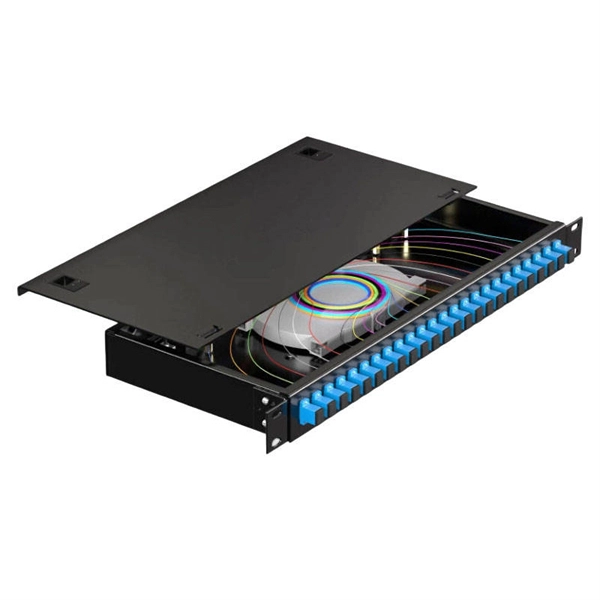
machines for fiber optical cable production
We offer complete fiber optic cable (FOC) manufacturing solutions, from fiber to finished cable, as well as individual solutions for the individual process steps of fiber optical cable production.
The Complete Guide to Fiber Optic Cable Manufacturing: Powering
Through rigorous testing procedures and advanced equipment like our bench-top fiber test instruments, we maintain consistent quality across all fiber optic products, from individual
Fiber Optic Cable Assembly Automation in Semiconductor Manufacturing
The semiconductor and optical communication processes are advancing towards higher density and faster speeds, significantly increasing the precision and stability requirements for fiber
Fiber Optic Center
Connector assembly fixturing and tooling vary between connector types Fiber Optic Center provides the materials and equipment designed specifically for each connector assembly Integrating FOC
FOA Standard For Installing Fiber Optic Cable Plants
High Fiber Count Cables: High fiber count cables are flexible ribbon cables which generally have 864 fibers, 1728 fibers, 3456 fibers or up to 6912 fibers. These cables are not designed for pulling but are
Users Guide To Fiber Optic System Design and Installation
This is intended as an overview and installation checklist for all managers and engineers on the overall process of designing, installing and operating a fiber optic communications system.
Fiber Optic Assembly
Fiber optic assemblies require precise manufacturing processes and robust testing and inspection protocols to ensure consistent performance and reliability. High failure rates from misalignment or
Design Guide
Designers should have an in-depth knowledge of fiber optic components and systems and installation processes as well as all applicable standards, codes and any other local regulations.
Optical Fiber Manufacturing Process And Methods
Adhering to exacting quality standards is paramount when fabricating the optical fiber and protective cable assembly. Consistent precision is required in dimension, composition, and structural
Handbook – Optical fibres, cables and systems
This manual attempts to aggregate all of the available information on ITU-T''s work. The manual is intended as a guide for technologists, middle-level management, as well as regulators, to assist in
How to Install Fiber Optic Cable: Step-by-Step Guide
Learn how to install fiber optic cable with Network Drops'' easy step-by-step guide. Follow the process for quick and effective results.
What is the assembly of fiber optic cable?
The assembly of fiber optic cables is a complex process that requires precision and care at every step. The quality of the assembly directly impacts the performance and reliability of the fiber optic
30 Types of Production Equipment for Optical.
Optical fiber and cable manufacturing equipment is designed and made for the production Learn more from AIMIFIBER — fiber optic manufacturer since 2008.
InstallGuide
This document complements it in terms of addressing the details of the installation process. User''s Guide To Fiber Optics, Tech Bulletin: This Tech Bulletin answers many questions often asked by
Fiber Optic Cable Assembly Manufacturing Process Improvements:
This paper addresses four general processes of typical fiber optic cable assembly production, some important sub-tasks, how they can contribute to product quality, real-world examples of costly quality
Standard for Installing and Testing Fiber Optics
Fiber optic equipment and components are sub-ject to damage by improper handling and must be handled according to the procedures specified for the components by manufacturers'' or other rele
What Is Fiber Optic Cable Manufacturing Process
Conclusion The manufacturing process of fiber optic cables involves several crucial steps, including fiber production, cable assembly, testing and quality control, and packaging and
Fiber-optic cable
A fiber-optic cable, also known as an optical-fiber cable, is an assembly similar to an electrical cable but containing one or more optical fibers that are used to carry
Related Video Reference
This video was associated with the source search result. Verify technical details against current product documentation and project requirements.