
Technical notes
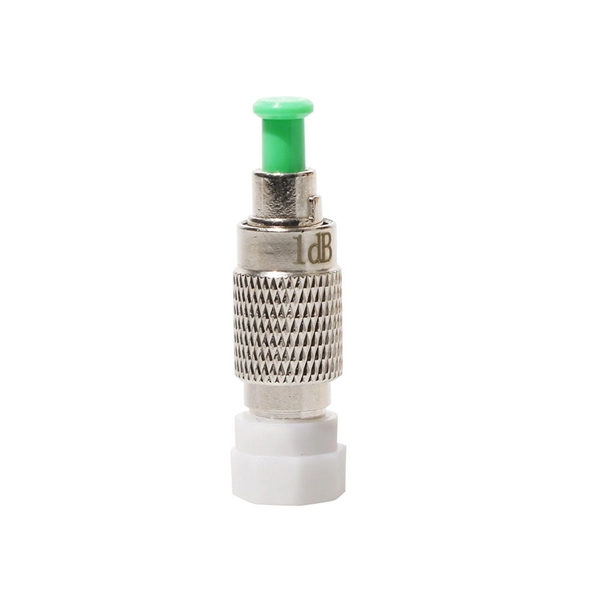
Fiber Optic Cables Testing & Commissioning – Acceptance Criteria
Fiber optic testing and commissioning ensures that the installed fiber link is clean, correctly terminated, properly labeled, within the allowed loss budget, and ready for reliable operation.
Acceptance Angle, Numerical Aperture, And Key Concepts
The acceptance angle is the maximum angle at which light can enter the fiber core and still propagate down the length of the fiber. Think of it like a
IPC-A-640 Standard: Complete Guide to Optical Fiber
You can''t visually inspect a fiber end face with the naked eye—you need specialized equipment and training. This guide covers what you need to know about IPC-A
FIBER OPTICAL COMMUNICATIONS (R17A0418)
COURSE OBJECTIVES: To realize the significance of optical fiber communications. To understand the construction and characteristics of optical fiber cable. To develop the knowledge of optical signal
Acceptance Angle in Fiber Optics
The acceptance angle of an optical fiber is the maximum incidence angle of a light ray which can be used for injecting light into a fiber core or waveguide.
Optical Fiber Communication Systems | Springer Nature
Optical fiber communication systems have become the cornerstone of modern telecommunications over the past four decades. As the demand for
Acceptance Angle in Optical Fibers: A Comprehensive
The acceptance angle of an optical fiber, rooted in ray optics, is the maximum angle at which an incident light ray can hit the fiber core against the fiber axis and still
Fiber-optic communication
The transmission distance of a fiber-optic communication system has traditionally been limited by fiber attenuation and by fiber distortion. By using optoelectronic
UNIT-I SEC1407
ibit earth loop and interface problems. Furthermore, this property makes optical fiber transmission ideally suited for communication in electrically hazardous environments as the fibers create no arcing or spar
Applications and Field Acceptance Testing of Fiber Optics Cables
The purpose of this technical paper is to present the latest applications of fiber optics as a control and communication link device and to address the methods and standards developed in field acceptance
Fiber optics | Definition, Inventors, & Facts | Britannica
Fiber optics, the science of transmitting data, voice, and images by the passage of light through thin, transparent fibers. In telecommunications, fiber
How does fiber optics work?
An easy-to-understand introduction to fiber optics (fibre optics), the different kinds of fiber optic cables, and how light travels down them.
Optical Communications Products
Browse our optical communication connectivity products designed to help you enable your communication networks. Easily create a bill of materials list.
Business Insider
Business Insider tells the global tech, finance, stock market, media, economy, lifestyle, real estate, AI and innovative stories you want to know.
Submarine Cable Map
TeleGeography''s comprehensive and regularly updated interactive map of the world''s major submarine cable systems and landing stations.
Home -The Fiber Optic Association
The Fiber Optic Association Inc. (FOA) is the international professional association of fiber optics. FOA is chartered to promote fiber optics through education,
OPTICAL FIBER COMMUNICATION TECHNOLOGY AND SYSTEM
ABSTRACT Basic elements of an optical fiber communication system include the transmitter (laser or LED), fiber (multimode, single mode, dispersion-shifted) and the receiver (PIN and APD detectors,
WORLD WIDE WEB JOURNAL Home
Internet communications tools Document preparation Computing industry Computing standards, RFCs and guidelines Computer crime Language types Security and privacy Computational complexity and
Related Video Reference
This video was associated with the source search result. Verify technical details against current product documentation and project requirements.