
Technical notes
What Are Cable Trays and How Do They Work?
A cable tray is an organized support structure designed to secure and route these insulated electrical cables. It acts as a dedicated pathway for power distribution and data transmission, often supporting
Everything You Need to Know About Cable Trays | Cable Trays
Before installation, conduct a thorough assessment of cable requirements and plan the cable tray layout accordingly. Consider factors such as load capacity, environmental conditions, and
Cable tray
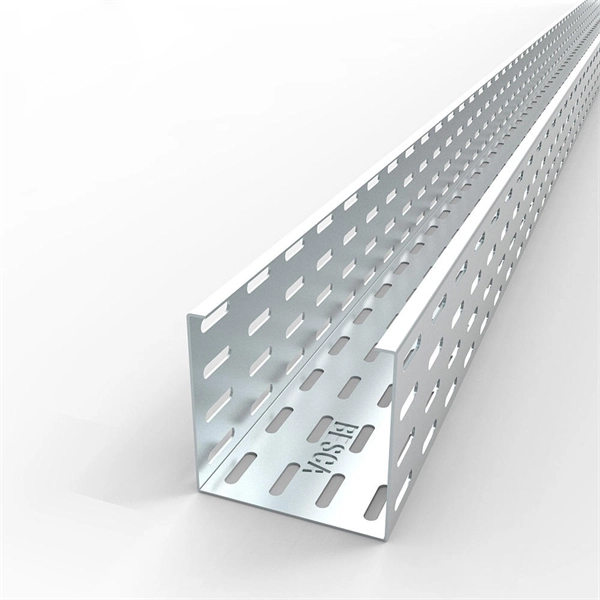
Several types of tray are used in different applications. A solid-bottom tray provides the maximum protection to cables, but requires cutting the tray or using fittings to enter or exit cables. A deep, solid enclosure for cables is called a cable channel or cable trough. A ventilated tray has openings in the bottom of the tray, allowing some air circulation around the cables, water drainage, and allowing some dust to fall through the tray. Small cables may exit the tray throug
Cable Tray Technical Guide A practical guide to product selection and
In designing supports for a cable tray system, consideration should be given to the loads associated with future cable additions and any additional loading that may be applied to the cable tray system (e.g.,
Complete cable tray manual for electrical engineers and designers
Cable trays simplify the wiring system design process and reduces the number of details. Cable tray wiring systems are well suited for computer aided design drawings. A spread sheet based
Cable Tray Layout & Section (Electrical) | PMG
Explore the essentials of cable tray layout and section design in electrical systems, ensuring optimal cable management and support.
Cable Tray Systems Explained: The Right Solution for Modern Cable
In this guide, we explain what cable trays are, the main types available, how to choose the correct size and duty rating, and what to consider when designing a cable tray installation.
What Is A Cable Tray Layout And Section | Hutaib Electricals
The design and layout of cable trays must take into account several important factors to optimize the routing and protection of electrical cables. Below, we explore some of the critical
7 Types of Cable Trays: How to Choose the Right One
Selecting the correct cable tray type is not arbitrary—it depends on a combination of cable characteristics, environmental conditions, and installation requirements.
100+ Essential Questions Answered About Cable Trays: Design
Discover over 100 expert answers about cable trays, covering key topics like material selection, load capacity, installation methods, and maintenance.
Cable tray systems support cables'' journey through the data center
In many cases, a data center contains a significant number of cables to accommodate the network''s high-volume, high-density connections. That being the case, we asked providers of cable
What Are Cable Trays and How Do They Work?
Commercial office buildings utilize them extensively, often routed in plenum spaces above ceilings to support dense networks of data and communication lines. In modern data centers, cable trays
Cable tray
ABB designs and manufactures cable tray systems, including perforated tray, cable ladder, channel tray and strut (metal framing).
How to Install Cable Tray: A Comprehensive Guide to Different Cable
Welcome to our step-by-step guide on installing cable trays! In this video, we''ll explore the different types of cable trays available and provide detailed instructions for their installation.
Cable Tray Technical Guide A practical guide to product selection and
Cable Tray Technical Guide A practical guide to product selection and installation This guide for engineers and installers has been developed by ABB as a practical reference regarding cable tray
How to Choose the Proper Cabling Pathway?
Cable Trays Cable tray serves as an alternative cabling pathway component to conduit, which can be installed as distribution system to route and support your cables.
Cable Route
Cable route refers to the designated path that cables, such as instrument and electrical cables, follow within a facility, often utilizing equipment like cable trays or ladders to ensure proper organization and
Everything You Need to Know About Cable Trays | Cable Trays
Cable trays offer versatility, allowing both power and data cables to be routed together while maintaining segregation to prevent interference and ensure safety.
Related Video Reference
This video was associated with the source search result. Verify technical details against current product documentation and project requirements.