
How Optical Fiber Is Made
Search optical fiber, connectivity, cable management and network infrastructure references.
- Optical
- Fiber
- Made
Articles and technical references
11 on this page-
How to determine whether an optical fiber is multimode or singlemode
So, to cut right to the chase, you can generally tell if fiber is multimode or singlemode by examining the cable's jacket color, looking for printed markings on the jacket, checking the connector type, and if all else fails, by measuring the core diameter or using an optical...
[PDF Version]
-
How much does 2 tons of optical fiber cable weigh
They can weigh between 60 to 200 kg per kilometer (39. 7 to 132 pounds per 1000 feet), depending on the design and materials used. However, some general guidelines can provide a rough estimate: Indoor Fiber Optic Cables: These are typically lighter as they require less...
[PDF Version]
-
How to measure optical decay of LC pigtail fiber
An Optical Time Domain Reflectometer (OTDR) measures and displays optical link attenuation as a function of time by converting the returned optical power from fiber length and components into a proportional electrical current. Executive Summary: A fiber optic pigtail is one...
[PDF Version]
-
How much does 1 kilometer of outdoor optical fiber cable cost
Genuine Modules mentions that the cost of fiber optics per kilometer can range from $10,000 to $50,000, depending on various factors such as the type of fiber, installation method, terrain, and region. Commercial building installations with 100-200 network drops generally...
[PDF Version]
-

How much does optical fiber cable cost in Grenada
Fiber-optic cable materials typically cost $1 to $6 per linear foot, depending on fiber count and cable type. Commercial building installations with 100-200 network drops generally range from $15,000 to $30,000. Designed for vertical indoor riser installations, it features a...
[PDF Version]
-
How to calculate fiber splicing calculation for optical cables
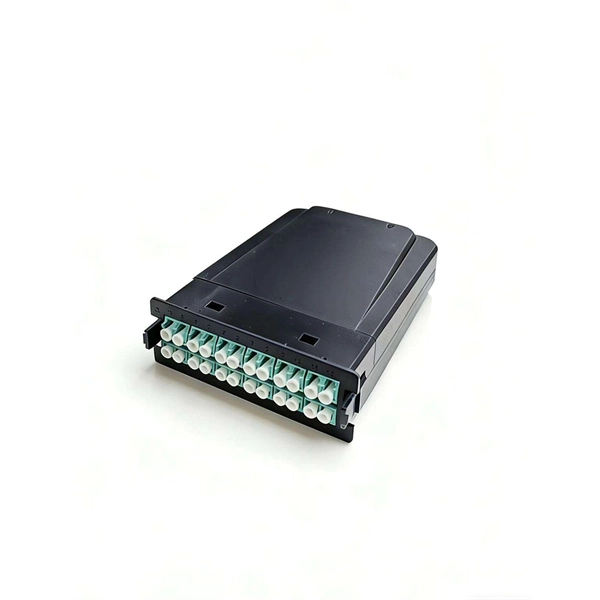
Multiply route length by attenuation to get the fiber component, then add event losses from splices, connectors, splitters, and patch panels. This separation helps locate whether distance or events drive the budget during troubleshooting. Then calculate the total optical...
[PDF Version]
-
How to splice optical fiber and pigtail
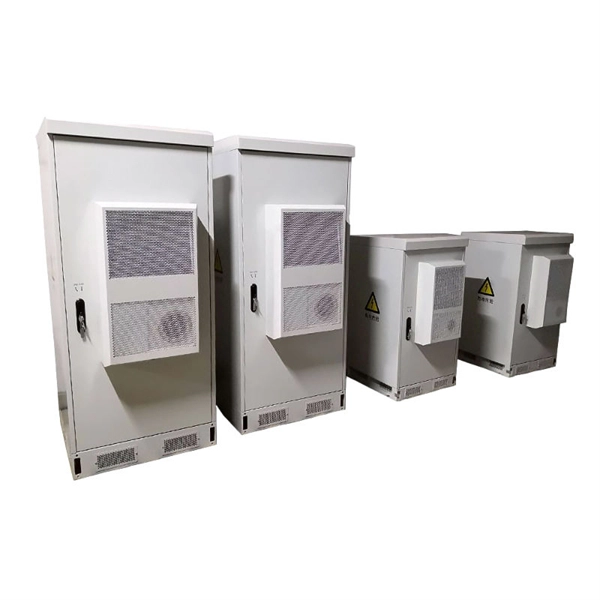
In this guide, we'll walk you through the entire process of preparing fiber optic cable for splicing and termination to fiber connectors. We'll explore the necessary tools, safety precautions, and step-by-step procedures for cable connectors, mechanical and fusion. Executive...
[PDF Version]
-
How to improve the splicing speed of optical fiber cables
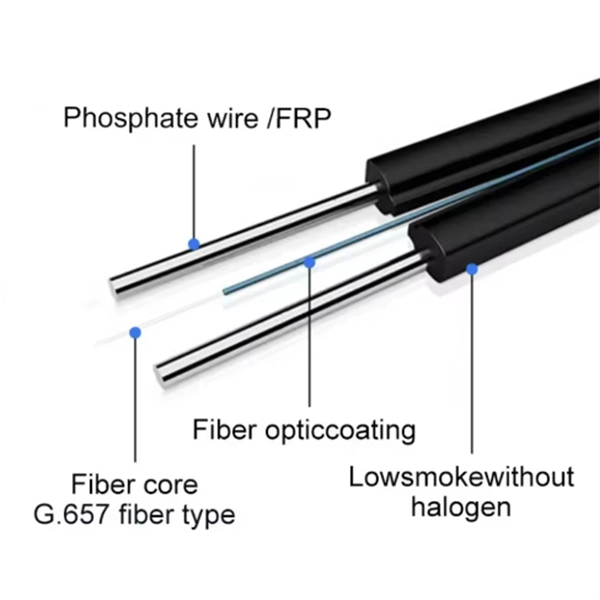
Effective fiber optic splicing relies on precise fiber preparation, the correct use of specialized tools like fusion splicers and mechanical splice units, and adherence to best practices for minimal signal loss and high splice quality. This is where fiber optic cable...
-
How to connect overhead optical fiber cables for telecommunications transmission
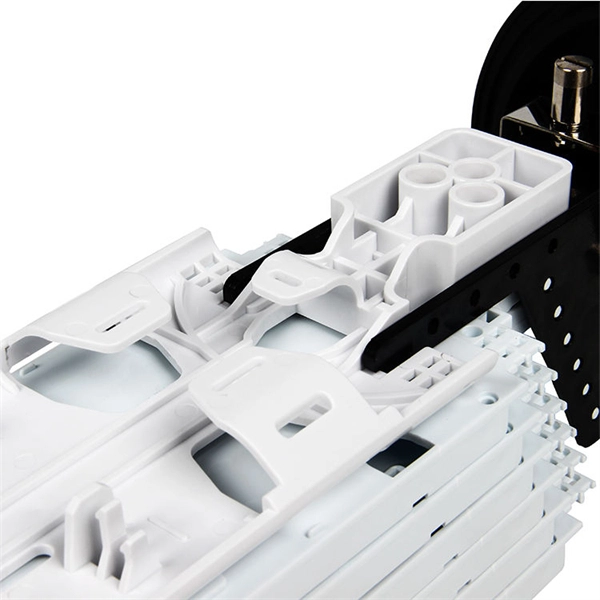
When installing aerial fiber optic cables, there are usually two methods: tying the fiber optic cable to a steel messenger or directly installing a self-supporting figure-8 aerial fiber optic cable. It provides high tensile strength, good performance of mechanical and...
-
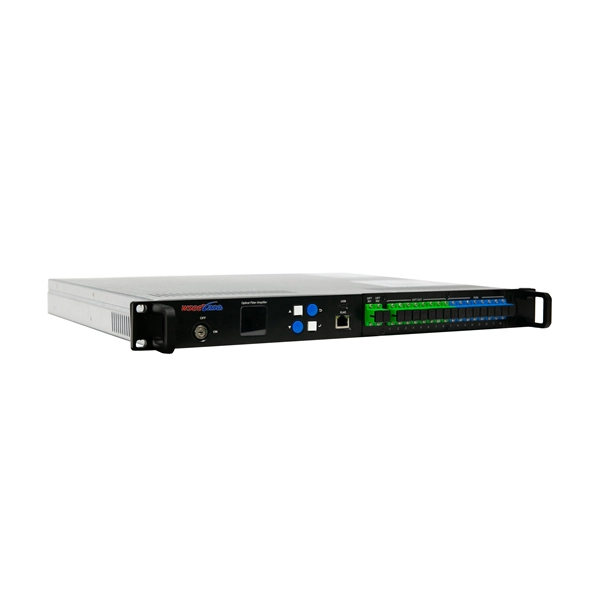
How to connect a two-core optical fiber cable connector
The ideal structure for connecting two fiber cables is as follows: Cable A → Adapter Panel → Patch Cord → Adapter Panel → Cable B How It Works Fiber Adapters: Bridge the two connector types (e., SC to LC, or SC to SC). Patch Cords: Provide a short, flexible link between. To...
-
How to disassemble the cold connector of an optical fiber
LC Connectors: Press the latch mechanism and gently pull the connector out. Fiber optic connectors terminate the end of a fiber optic cable, ensuring precise alignment for data transmission. Each kit is qualified at our factory prior to shipment. In this article, we will...