
Technical notes
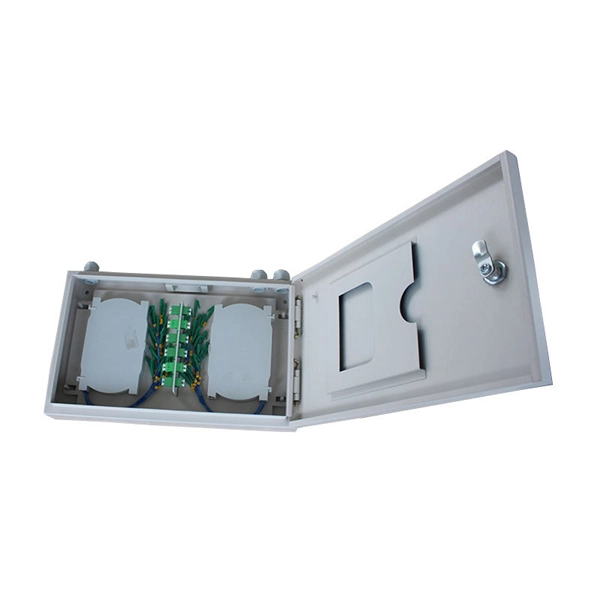
Outdoor Cabinet Protection Through Better Grounds and Bonding
A single point grounding concept must have all communication, support equipment, power systems (AC and DC), surge protection and any other conductive material in the equipment space bonded
Guide to earthing structured cabling systems and related hardware
Protective Earthing is a requirement to divert unwanted, potentially hazardous currents from all exposed metallic parts such as equipment chassis, racks, cabi-nets, cable trays, conduit, and patch panels for
SECTION 27 05 26 GROUNDING AND BONDING FOR
For technology systems, provide a #2 AWG minimum insulated stranded copper conductor from the grounding electrode system to each telecommunication room, terminal cabinet and central location.
Earthing system
But, unlike TN, the exposed-conductive-parts at the consumer installation are independent from it, instead having an entirely separate connection to Earth via a local earth electrode (sometimes
Telecommunication Grounding & Bonding
• It enhance the effectiveness of the grounding electrode system in two ways: * the concrete absorbs and retains moisture from the surrounding soil, and * the concrete provides a much larger surface
Grounding network equipment rack?
It will be best to have a master electrician do the grounding for your server rack and your equipment. Doing it yourself would potentially cost you some toasted equipment. Ideally, your power
DCS Grounding System Overview | PDF | Direct
The document provides recommendations on setting up independent or shared grounding grids and requirements for grounding electrodes. It also
Indoor Grounding of Data Centers to IEC30129 and TIA607-E Standards
The PBB serves as the dedicated extension of the building grounding electrode system for the telecommunications infrastructure. The PBB also serves as the central attachment point for the
Grounding
Equipment rated above 480 volts, or 600 amperes shall be grounded by two independent grounding conductors. The enclosures of all switchgear, transformers, unit substations, motor controls and
Residential Bonding and Grounding of Shielded
Learn how to properly bond and ground shielded Ethernet cable in residential settings with various methods including the truePLUG adapter, DIY
Why should cabinets be bonded to a common ground rather than use
Issue: Why does APC recommend that each cabinet be bonded to a common ground rather than cascade the ground from cabinet to cabinet? Product Line: NetShelter Environment: All
(PDF) Recommended Practice for System Grounding of
Restrictions apply. f IEEE Std 3003.1-2019 IEEE Recommended Practice for System Grounding of Industrial and Commercial Power Systems Figure
Grounding Systems Primer
Grounding Systems Primer In an electrical system, effective grounding ensures a safe working environment as well as proper equipment performance. A “ground” is a conducting connection by
Guide to earthing structured cabling systems and related hardware
3.1 Earthing & Equipotential Bonding A common misconception is that all reference points for earth are at the same potential since they are all connected to the ground at some point. Because our planet
STRUCTUREDGROUNDTM Kits for Data Center Cabinet Grounding
Selection Guide Complies with the “Telecommunications Infrastructure Standard for Data Centers” as described in TIA-942 Maximize uptime, maintains systems performance, and protects network
Outdoor Cabinet Protection Through Better Grounds and Bonding
Grounding Electrode (Earthing) system A grounding electrode system includes using multiple grounding electrodes or other buried metal items For Telecom the earthing system selected is directly reflective
Microsoft Word
For cabinets and enclosures, the contractor must bond the cabinet ground busbar to the main grounding electrode. The grounding electrode conductor must be enclosed in galvanized rigid metal conduit.
How do you ground residential network equipment?
Since you said your equipment will be farther than 20'' from the electrical systems grounding electrode system, you''re probably going to have to
Related Video Reference
This video was associated with the source search result. Verify technical details against current product documentation and project requirements.