
How can one identify a broken fiber optic cable?
To identify a broken fiber optic cable, start by performing a visual inspection for any physical signs of damage, such as bends, cracks, or breaks...
Search optical fiber, connectivity, cable management and network infrastructure references.
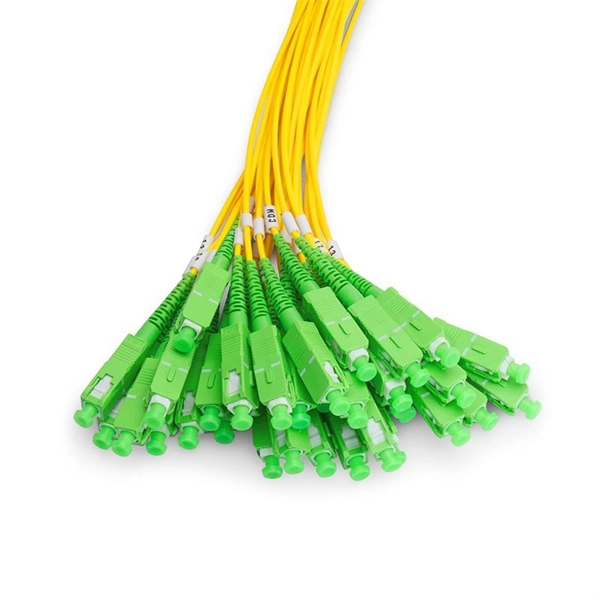
A perforated cable tray addresses these challenges with a simple but effective design: holes evenly distributed along the tray sides and bottom provide excellent airflow and heat dissipation, ensuring that your cables operate efficiently and safely for years. In this guide...
[PDF Version]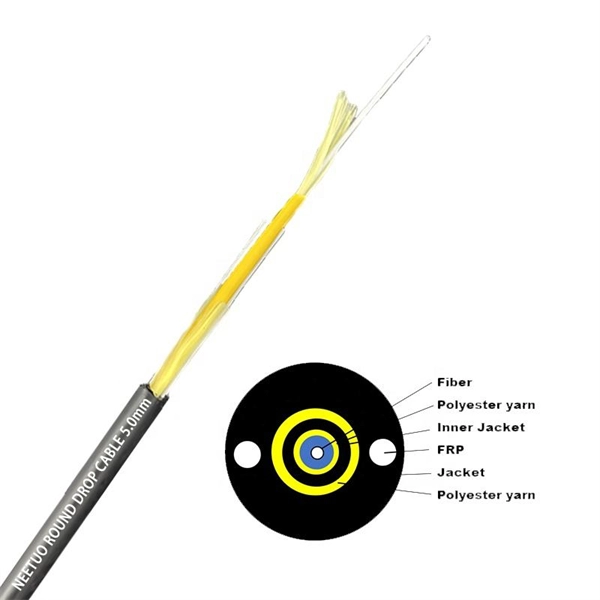
This guide provides a detailed roadmap for locating and fixing fiber optic cable breaks, covering detection techniques, repair methods, and best practices. The most common problems usually fall into four categories: Physical Layer: Transmission Performance: Equipment and...
[PDF Version]To identify a broken fiber optic cable, start by performing a visual inspection for any physical signs of damage, such as bends, cracks, or breaks...
There are several methods to test fiber optic cables without a tester. One method is using a visual fault locator (VFL), as mentioned earlier, to v...
Intermittent fiber optic connections can be caused by a variety of factors, including: Poorly terminated connectors or splices that result in unsta...
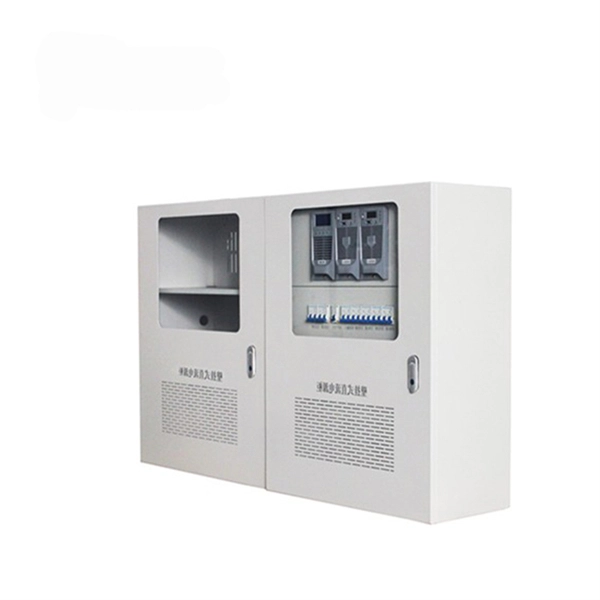
The International Electrotechnical Commission (IEC) provides detailed guidelines for cable tray systems under IEC 61537. This standard outlines the construction requirements, testing methods, and performance parameters for cable trays and related support systems. he New York...
[PDF Version]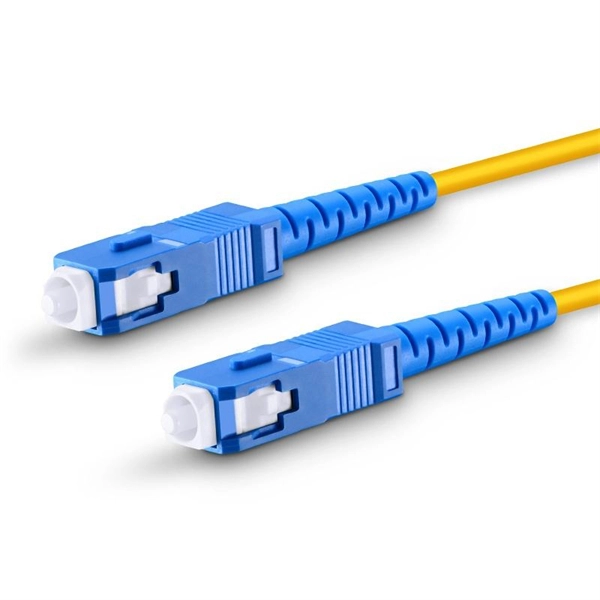
The fiber optic sensor is based on a Mach-Zehnder interferometric technique, where the pH sensitive material is coated on a short, typically 20-25 mm thin core fiber spliced between two standard single mode fibers. The pH meter consist of a LED and photodiode which excites...
[PDF Version]
[Official] NOYAFA NF-8508 Multi Network Cable Tester RJ45, Fiber NOYAFA NF-8508 is an optical wire meter tracer designed for use in network and cable testi.
[PDF Version]
Proximity Sensor Fiber Optic Wiring Diagram GuideComplete guide to proximity sensor fiber optic wiring diagrams, covering components, NPN/PNP outputs, inst.
[PDF Version]
The normal recommendation for fiber optic cable is the minimum bend radius under tension during pulling is 20 times the diameter of the cable (d). While installers are aware of the fundamental importance of minimum bend radii, they often lack the practical know-how to. A...
[PDF Version]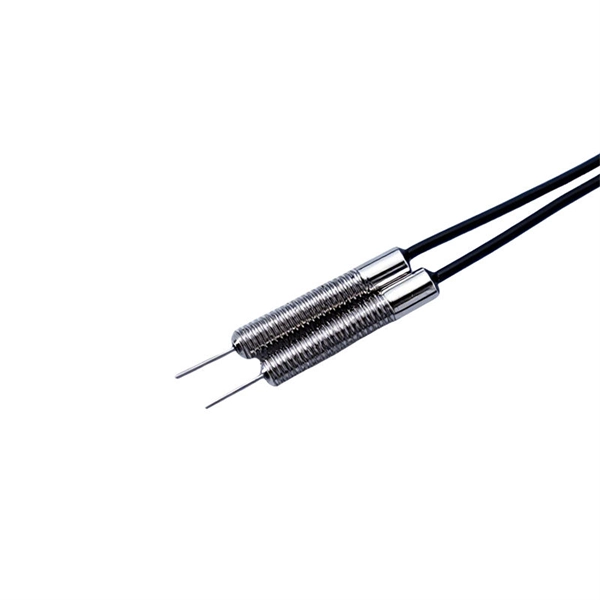
Unlike ladder or wire mesh cable trays, trough type cable trays use a fully enclosed structure formed from a single steel sheet, creating a protective channel that shields cables from external interference. Far superior to traditional conduit in many applications, cable tray...
[PDF Version]
Cable trays are mechanical support systems that provide a rigid structural system for electrical cables, raceways, and insulated conductors used for electric power distribution, control, signal instrumentation, and communication. There are several types of cable trays...
Share the fiber interfaces, termination capacity, cable route and evidence required for handover.