
Technical notes
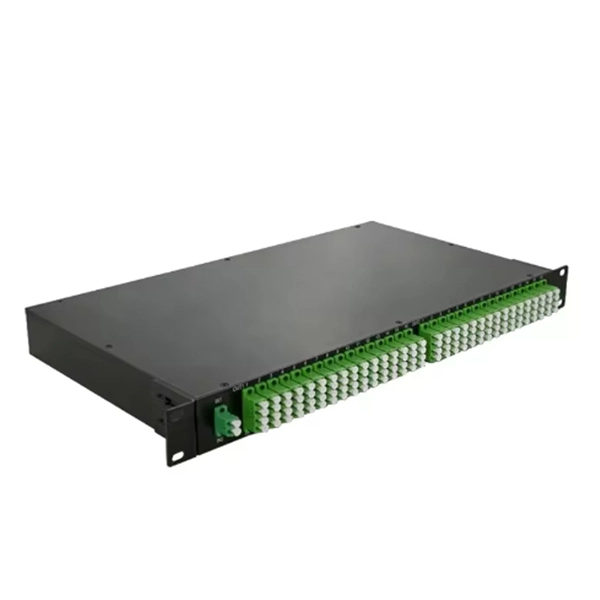
4 Methods of Fiber Connection You Need to Know
This blog introduces 4 Methods of fiber connections, including: Active Connection, Cold Splicing, Fusion splicing and Physical Connection.
How to Connect Fiber Optic Cable: Comprehensive Guide
This article will guide you through the necessary tools, materials, and methods on how to connect fiber optic cables effectively, ensuring you achieve
Methods for connecting composite optical fiber network cables
Advances in fiber optic technology continue to improve connection techniques. Innovations include faster fusion splicers, automated alignment systems, and high-density connectors.
Fiber Optic Cable Splicing Methods: A Practical Guide
The two primary industry-accepted methods for fiber optic cable splicing are fusion splicing and mechanical splicing. The choice between them depends on performance requirements,
Optical Fiber Jointing Methods
The document discusses methods for joining optical fibers, including fusion splicing and mechanical splicing. Proper preparation of the fiber ends is important for both methods.
Techniques and Methods for Connecting Optical Fibers
Advances in fiber optic technology continue to improve connection techniques. Innovations include faster fusion splicers, automated alignment systems, and high-density connectors.
Essential Installation Techniques for Optical Fiber Cables
An Overview of Installation Techniques reveals a variety of methods used to install Optical Fiber Cables, each suited to different environments and requirements.
Mastering Composite Fiber Optic Cable: Installation and
By following proper installation guidelines and leveraging the versatility of composite fiber optic cables, you can create a robust and efficient
Join Two Fibers: Splicing, Coupler, Splice | Elfcam
Need to extend, repair or join two fibre optic cables? There are three main methods, each with its own advantages and limitations. This article explains when and how to use each one — from
How to Join Two Fiber Optic Cables? A Complete Guide for Stable
This guide explains the main methods of joining fiber optic cables, the required tools, and how accessories such as Fiber Optic Cable Clamps (including drop cable clamps, anchor clamps, S
Master Your Fibre Optic Installation: Step-by-Step Best Practices
This comprehensive guide delves into the intricacies of fiber optic installation, exploring topics ranging from cable types and pre-installation considerations to execution, safety protocols,
Fiber Optic Cable Installation: How To Properly Install It
How to Install Fiber Optic Cables Installing fiber optic cable follows a systematic installation process encompassing three primary phases: running,
Composite Fiber Optic Cable Installation: Common Mistakes to Avoid
In this video, we explore the essential aspects of installing composite fiber optic cables and highlight common mistakes that can compromise performance and reliability.
Mastering the Art of Connecting Two Optical Fibers: A Step-by-Step
Optical fiber connections play a pivotal role in meeting this need, offering unparalleled performance and reliability in data transfer. Mastering the art of connecting two optical fibers is
How to Connect Fiber Optic Cable: Comprehensive Guide
Master how to connect fiber optic cable with our detailed guide. Step-by-step instructions to ensure you achieve the best performance and reliability in your setup.
Complete Guide to Fiber Optic Connectors and Splicing
Through Tata Play Fiber''s fiber optic cable splicing, technicians swiftly restored the connection, minimising downtime and service disruption. Moreover, in rural areas where laying new
Optical ground wire
An optical ground wire (also known as an OPGW or, in the IEEE standard, an optical fiber composite overhead ground wire) is a type of cable that is used in overhead power lines.
Fiber Optic Cable Splicing Methods: A Practical Guide
While this guide provides a solid overview of fiber optic cable splicing, the successful execution of these methods requires extensive training, hands-on experience, and a significant
Related Video Reference
This video was associated with the source search result. Verify technical details against current product documentation and project requirements.