
Optical Splitters In Pon Networks Ftth Guide
Search optical fiber, connectivity, cable management and network infrastructure references.
- Optical
- Splitters
- Networks
Articles and technical references
9 on this page-
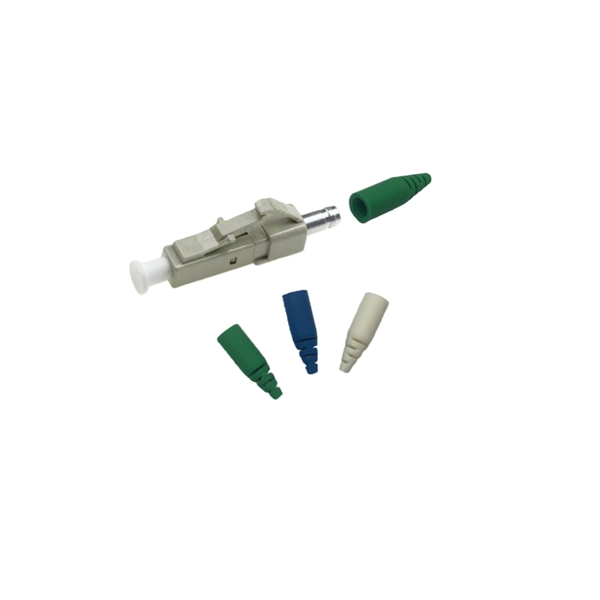
The role of optical splitters in local area networks
By dividing a single optical signal from a central Optical Line Terminal (OLT) into multiple outputs for Optical Network Terminals (ONTs) at users' homes, splitters eliminate the need for dedicated fibers to each residence—slashing infrastructure costs while scaling network...
[PDF Version]
-
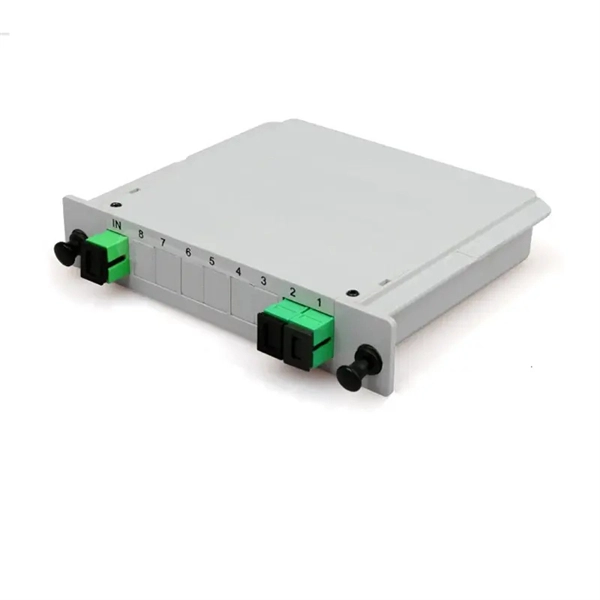
PON gigabit optical module wavelength
Wavelengths range from 1290 - 1330 nm in the upstream direction and from 1480 - 1500 nm in the downstream direction. Data is broadcast in the downstream direction, and in the upstream direction data is burst in TDMA mode (based on timeslots). Supports point-to-multipoint...
[PDF Version]
-
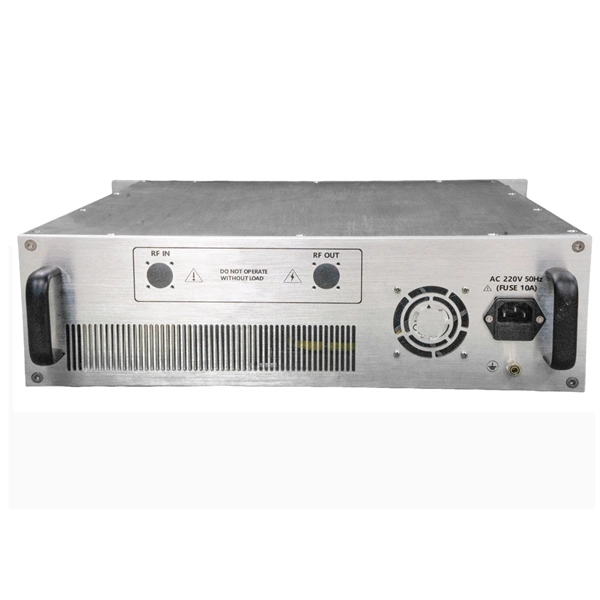
The switch uses a PON optical module
The PON technology is based on the ITU-T G. PON transmits Ethernet, Asynchronous Transfer Mode (ATM), and Time Division Multiplexing (TDM) traffic. It consists of mainly two active transmission equipments, Optical Line Terminal (OLT) and Optical Network. A passive optical...
[PDF Version]
-
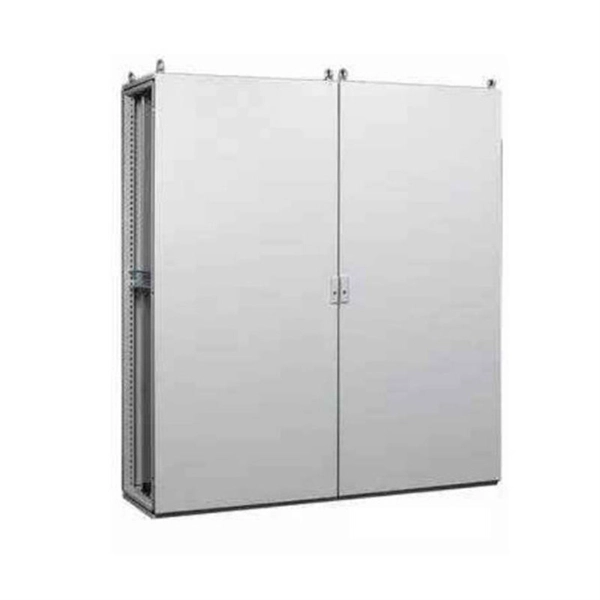
Bahamas has a long history of selling optical splitters
A fiber-optic splitter, also known as a, is based on a of an integrated waveguide power distribution device, similar to a The system uses an optical signal coupled to the branch distribution. The splitter is one of the most important in the link. It is an optical fiber tandem...
-
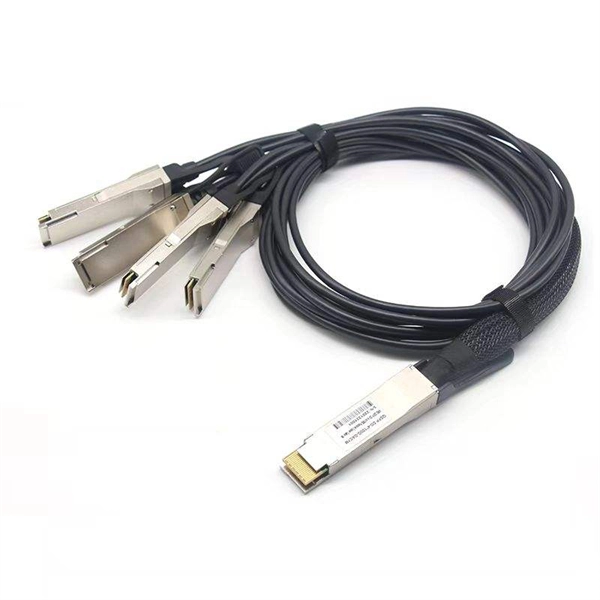
High-temperature resistant hybrid optical and electrical cables for backbone networks
Explore optoelectronic composite cables—hybrid fiber optic and power cables engineered for efficient data and energy transmission. Learn about types, applications, technical specs, and their role in industrial, offshore, and smart infrastructure systems. Extremely...
[PDF Version]
-

Customization Process for Energy-Saving Optical Power Dividers for Backbone Networks
In this study, the design of photonic crystal power dividers is addressed using a two-stage deep learning strategy with Deep Convolutional Generative Adversarial Networks (DCGANs). The study primarily aims for high-resolution designs compared to the existing methods. This...
[PDF Version]
-
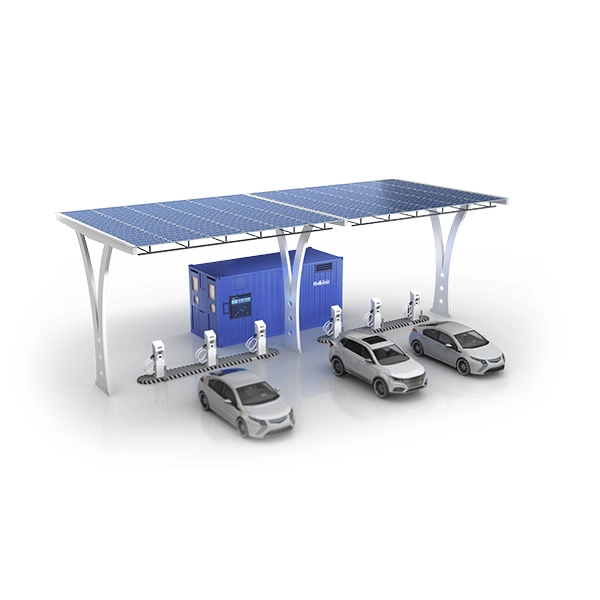
FTTH uses optical circulators for low loss
Here, we present a solution to this issue by realizing low-loss (0. 81 dB), broadband (at least 50 GHz bandwidth) and high-extinction (up to 27 dB) circulators, based on Mach-Zehnder interferometers including so-called fiber null-couplers. The latter are directional couplers...
[PDF Version]
-
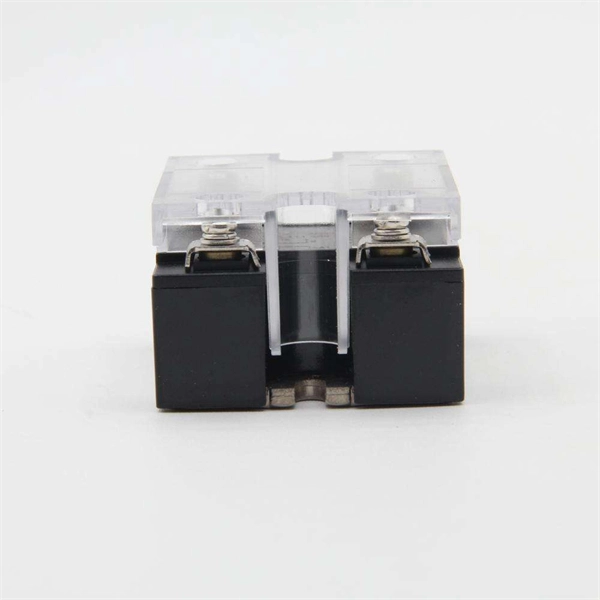
Please refer to the characteristics of Passive Optical Network PON
A passive optical network (PON) is a fiber-optic telecommunications network that uses only unpowered devices to carry signals, as opposed to electronic equipment. In practice, PONs are typically used for the last mile between Internet service providers (ISP) and their...
[PDF Version]
-
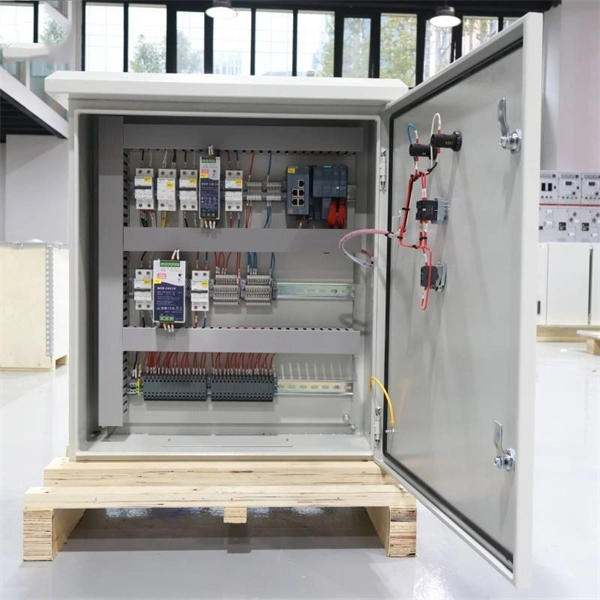
Where are optical fiber splitters typically placed
Primary optical splitters are strategically positioned in various locations to optimize signal distribution. For instance, they may be installed in central office computer rooms, cell computer rooms, cell optical transfer boxes, or directly in corridors. Secondary optical...
[PDF Version]