
Technical Requirements For The Design And Testing Of
Search optical fiber, connectivity, cable management and network infrastructure references.
- Technical
- Requirements
- Design
Articles and technical references
11 on this page-
Cable Tray Quality Technical Requirements
The International Electrotechnical Commission (IEC) provides detailed guidelines for cable tray systems under IEC 61537. This standard outlines the construction requirements, testing methods, and performance parameters for cable trays and related support systems. The Cable...
[PDF Version]
-
Technical Requirements for Pipeline Optical Cables
163 describes criteria for the installation of optical fibre cables defined in Recommendation ITU-T L. (FOA) was founded in 1995 to help develop the workforce to build the fiber optic networks to support a rapid expansion in communications and the Internet. The charter of the...
[PDF Version]
-
Cable Laying Design Calculation Requirements in Cable Trays
This step‑by‑step approach helps you determine width, depth, support spacing, and allowable load with confidence. Plan 20–30% spare capacity for growth. Remember separation rules for EMI and. Cable tray sizing looks simple on paper, but in real projects it affects cable...
[PDF Version]
-
Technical Requirements for Fiber Optic Patch Cords
Fiber optic patch cables are ideal for supporting high speed telecommunication network fiber applications. They are manufactured and tested in compliance with TIA 604 (FOCIS), IEC 61754 and YD/T industry standards. They act as the critical link for interconnecting devices...
[PDF Version]
-
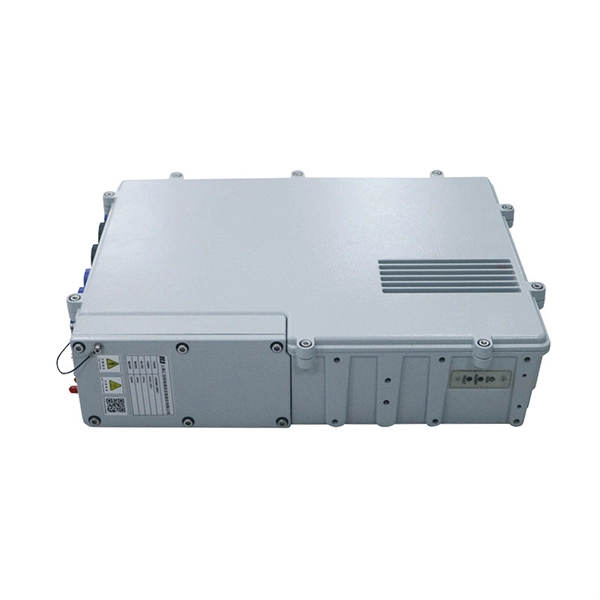
Technical Requirements for Imported Cables and Optical Fibers
This article explains eight of the most important global fiber and cable standards — ITU-T, IEC, TIA, ISO/IEC, and Telcordia — covering their scope, applications, and why they matter in real-world deployments. While the US relies heavily on TIA/EIA standards (like TIA-568)...
[PDF Version]
-
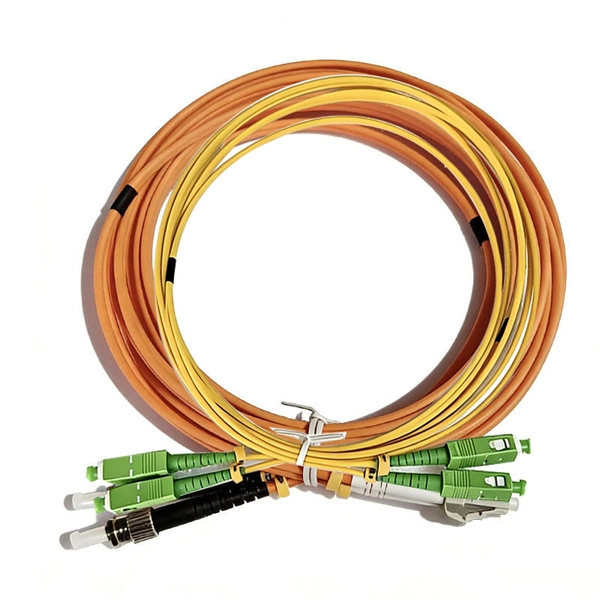
Technical Requirements for Grounding of Electrical Distribution Boxes in Buildings
NEC Article 250 covers the general requirements for grounding and bonding of electrical installations. Grounding and bonding are critical for the safe operation of electrical systems, preventing electrical shock, fires, and ensuring the proper operation of overcurrent...
-
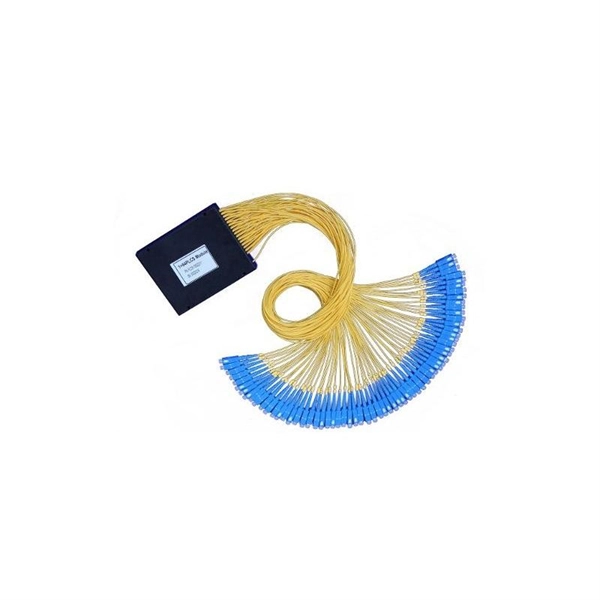
Technical Requirements for 6-Core Single-Mode Fiber Optics
6 core fiber optic cable single mode should be selected by fiber standard, core count, single mode requirement, jacket material, armor option, tensile strength, installation route, drum length, test report, and order quantity. Buyers should first define the pain point: buyers...
[PDF Version]
-
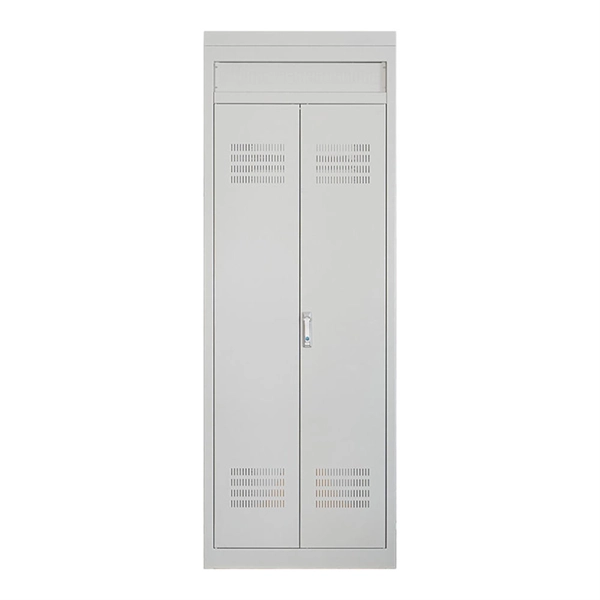
Distribution Box Dimensions and Manufacturing Technical Requirements
Technical catalogue Distribution Box The plastic distribution box is designed for use in residential houses, villas, apartment buildings, and other residen.
[PDF Version]
-
Latest Technical Requirements Standards for Airtight Optical Cables
In this article, we break down three essential standards—SIST EN 3745-306:2025, SIST EN 3745-510:2026, and SIST EN 4641-102:2025—that define the benchmarks for performance, safety, and quality of optical fibres and cables in aerospace electric equipment. Understanding and...
-
Requirements for Level 3 Protection of Workshop Distribution Boxes
Technical Requirements Maximum discharge capacity: 20kA per phase or lower. Voltage protection level: ≤ 1800V. Level 3 protection is the final barrier of the system, capable of fully eliminating any transient overvoltage that may occur, ensuring the long-term stable operation...
[PDF Version]
-
Requirements for spacing between cable trays
Support spacing for cable trays must align with the manufacturer's instructions, as outlined in NEC 392. Generally, standard trays require supports every 6 to 10 feet, while heavy-duty, long-span trays can handle distances of up to 20 feet between supports. The spacing...