
Technical notes
Terminal Block Jumpers | Connectors, Interconnects
Terminal Block Jumpers Terminal block jumpers are lengths of conductive material used to electrically connect two or more block positions together. They come in
Terminal Block Jumper Basics: How Common Connections Work in
Learn what terminal block jumpers are, why control panels use jumper bars and short wire jumpers, how common 24V and 0V connections work, and what to check in the field.
Wiring Jumpers Part 1: What They Are & Why We Use Them
[1m:21s] When wiring terminal blocks, for instance, it is common to connect multiple terminal blocks together to make it easier to distribute power through the panel. This can be done with a jumper or
Selection and Use of Terminal Block Jumpers
In this short article, we focus on the jumpers that may be used to link multiple blocks together. This provides a convenient way to expand the number
Wiring Jumpers Part 2: Types and How we Use Them
Let me show you how we use terminal block jumpers with terminal blocks. As you can see here, I have a set of five or 6 standard pass through terminal blocks.
Practical Tip – WAGO Continuous Jumpers for Control Cabinets | WAGO
Connect an unlimited number of terminal blocks to each other using one jumper slot. Every other terminal block can be commoned (from 1 to 3). WAGO continuous jumpers are not
Jumpers | AutomationDirect
Terminal block jumpers are used to electrically interconnect terminal blocks. Jumpers are available in various styles and dimensions, in a range of pole configurations.
Terminal Block Accessories Explained — End Plates,
Multi-level (double-deck or triple-deck) terminal blocks require cross-connection jumpers that bridge between levels rather than across adjacent blocks. These
Panel Terminal Jumping Risks and Exact Jumper Placement Guide
Jumping the wrong terminals can cause shorts, blown fuses, and damaged control equipment, so understanding terminal block wiring, jumper placement, and safe wiring practices is essential...
Terminal Block Jumpers | McMaster-Carr
Choose from our selection of terminal block jumpers, including terminal blocks, modular DIN-rail mount terminal blocks, and more. Same and Next Day Delivery.
Terminal Block Jumpers Selection (Cross-Connection)
WQV Terminal Block Jumpers (Cross-Connection) Weidmuller W-Series WQV screw-in terminal block jumpers provide a secure method for cross-connecting multiple terminal blocks. These jumpers
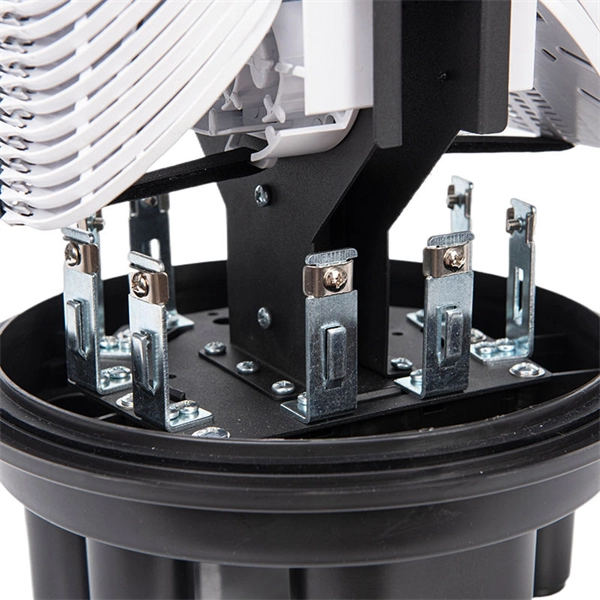
Fiber jumper and fiber optic terminal box analysis
Let me introduce to you what the fiber jumper is, the type of fiber jumper, and the structure of the fiber jumper and the knowledge of the fiber optic terminal
Practical Tip – WAGO Continuous Jumpers for Control Cabinets | WAGO
WAGO continuous jumpers are ideal for device-oriented potential distribution in control cabinets, for example, when connecting a 24 V power supply for small devices. Terminal blocks for
What is the main bonding jumper and where do it find it in an electric
This is a big deal. “The main bonding jumper at the service panel is the most important electrical connection in the building,” according to Douglas Hansen, an electical expert and one of
Wire Jumpers | Pacer
As stated above, each wire jumper is very flexible, making bending and twisting a simple process with no damage to the insulation or conductors. Having each wire jumper pre-terminated
Wiring Jumpers Part 2: Types and How we Use Them
That is all we will cover today.. our next video we will actually show you some different types of jumpers and how to use and install them.
Jumpering, distribution, and measurement | Phoenix
Test disconnect terminal blocks from Phoenix Contact mean you can easily design current transformer measuring sets to your own requirements. Thanks to push-in
Amazon : Terminal Block Jumper
Discover high-quality terminal block jumpers for safe, efficient circuit connections. Find options in various sizes, materials, and designs to meet your needs.
Related Video Reference
This video was associated with the source search result. Verify technical details against current product documentation and project requirements.