
Vertical Cavity Surface Emitting Lasers As Sources For Optical
Search optical fiber, connectivity, cable management and network infrastructure references.
- Vertical
- Cavity
- Surface
Articles and technical references
11 on this page-
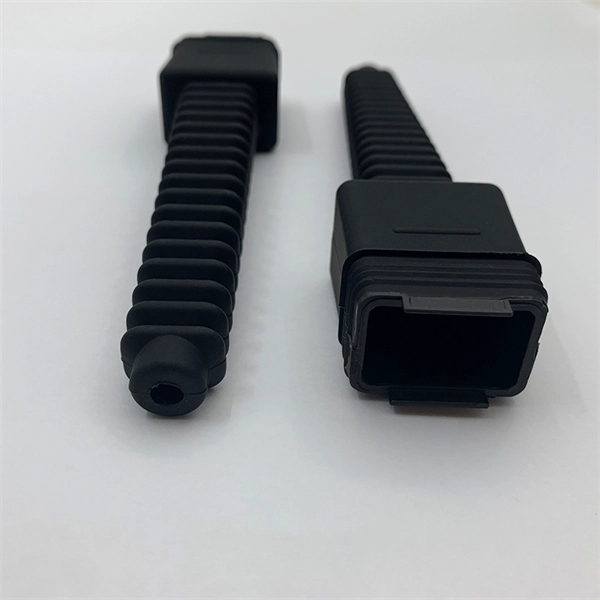
Selection Guide for 10G Vertical Cavity Surface Emitting Lasers for Railway Communication
📦 For purchasing, use the RP Photonics Buyer's Guide for vertical cavity surface-emitting lasers. It provides an expert-curated supplier directory, buyer-focused technical background information, and structured selection criteria to support professional procurement decisions...
[PDF Version]
-
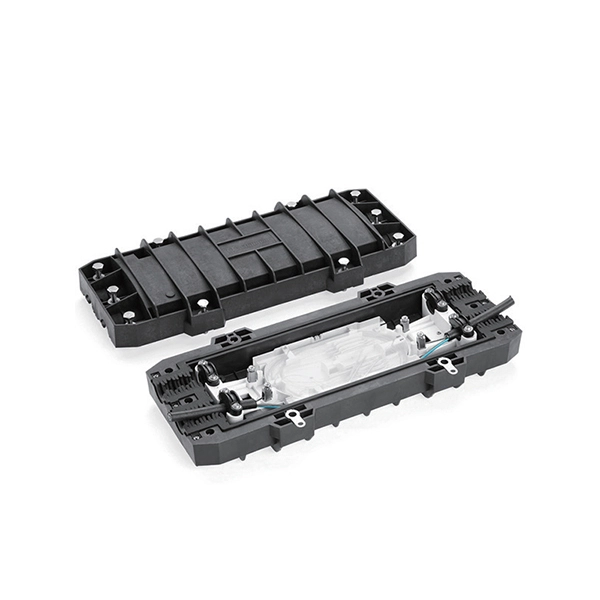
Zambian ODM Vertical Cavity Surface Emitting Laser QSFP
The surface emission from a bulk semiconductor at ultra-low temperature and magnetic carrier confinement was reported by Ivars Melngailis in 1965. The first proposal of short VCSEL was done by Kenichi Iga of Tokyo Institute of Technology in 1977. A simple drawing of his idea...
-
Test Report on a New Vertical Cavity Surface Emitting Laser
Recent results on highly reliable 940nm multi-junction high power vertical-cavity surface-emitting lasers (VCSELs) are presented with target applications in depth sensing and Light Detection Ranging (LiDAR) markets. Vertical-cavity surface-emitting. Vertical-cavity...
[PDF Version]
-
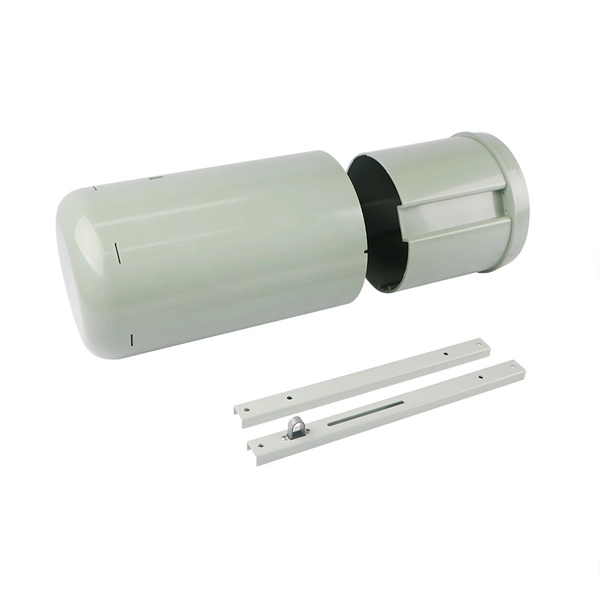
What is a vertical trough-type cable tray
A Vertical Cable Tray is a specialized support system designed to carry electrical and data cables securely in a vertical or riser direction. Think of it as the “spinal cord” or the “ elevator shaft ” for your cabling infrastructure, providing a protected and structured...
-
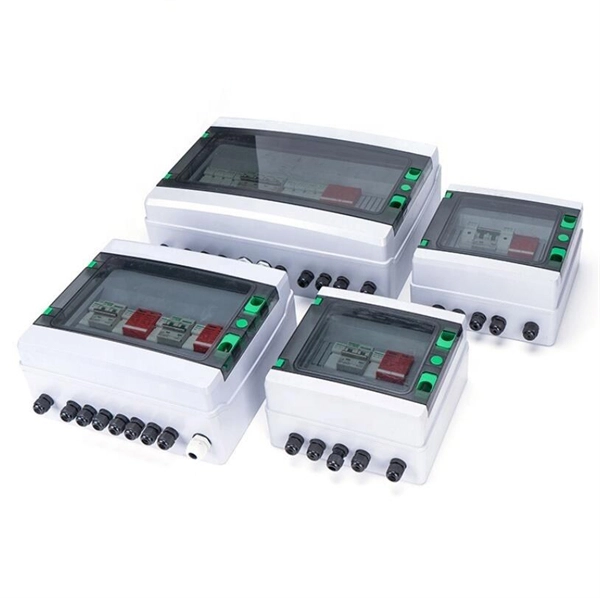
What is meant by laying fiber optic cables in a vertical shaft
A fiber optic riser cable—designated as OFNR, shorthand for Optical Fiber, Nonconductive, Riser—is a type of indoor fiber optic cable specifically designed for vertical installations. Horizontal and vertical cabling describe how fiber pathways are distributed within...
[PDF Version]
-
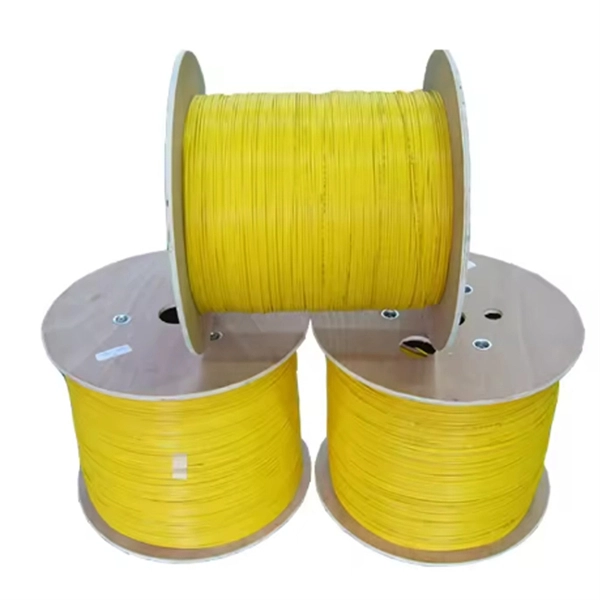
What operations are diode lasers used for
Due to their compactness, durability, and flexibility, diode lasers are widely used in medicine for procedures such as hair removal, skin resurfacing, soft tissue surgery, photodynamic therapy (PDT), and endovenous laser treatment (EVLT). What Is the Origin of Diode Lasers?...
[PDF Version]
-
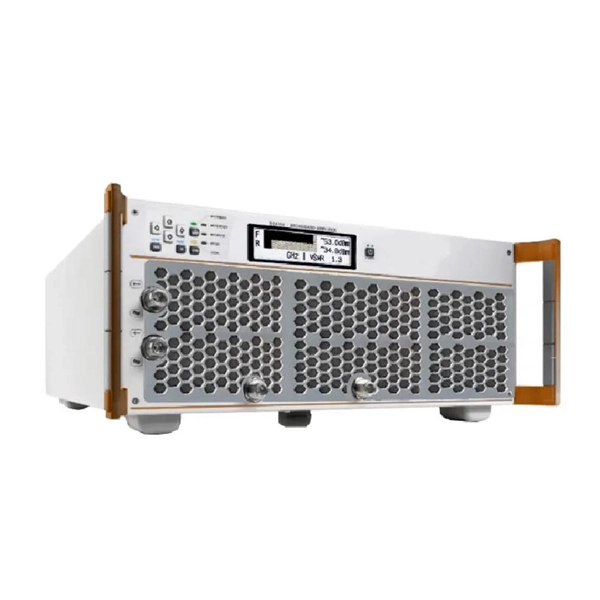
Connection methods for cable tray horizontal and vertical frames
Splice Plates: Connect straight sections of tray together securely. Drop-Outs: Allow cables to exit the tray vertically to connect to equipment below. This is the role of the cable tray system—a structured framework designed to support and organize insulated electrical...
[PDF Version]
-
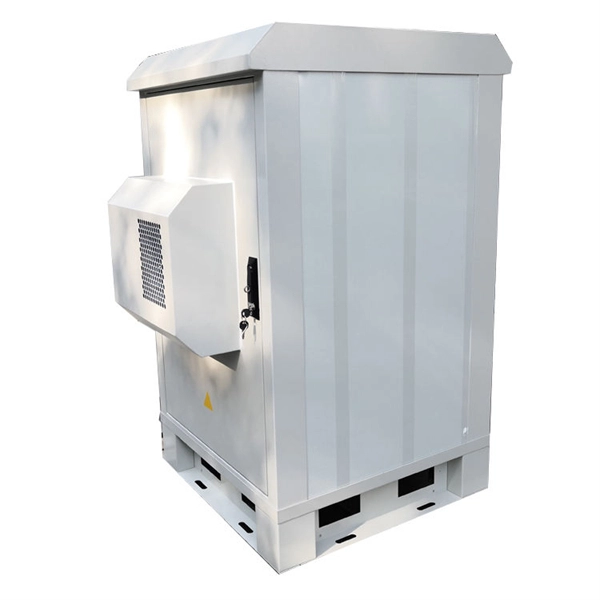
Reasons why a laser diode is not emitting light
A common failure pattern is: the diode is emitting, but the light never makes it to where you measure it. Laser diodes are current-driven, temperature-sensitive devices; a small setup mistake can look like a broken laser even when the diode is still recoverable. A laser diode...
[PDF Version]
-
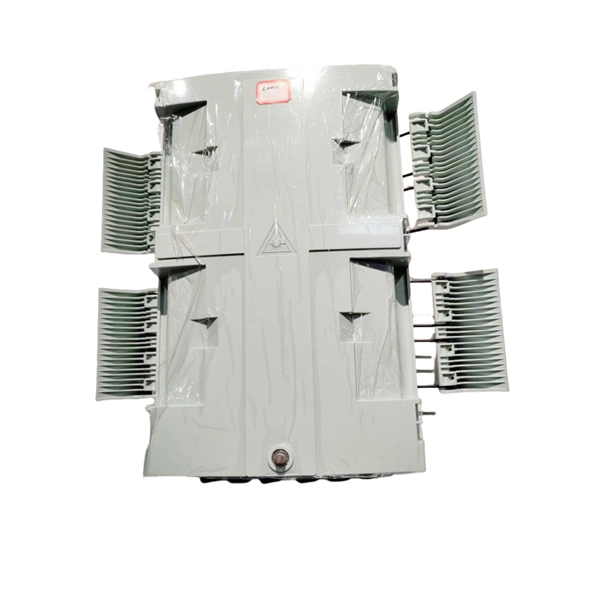
Vertical Shaft Cable Tray Suspension Line Installation
In this guide, we'll walk you through every step of the process — from load planning and suspension hardware to drilling, anchoring, and final leveling — using best practices trusted by professionals in the field. This publication is intended as a practical guide for the...
[PDF Version]
-
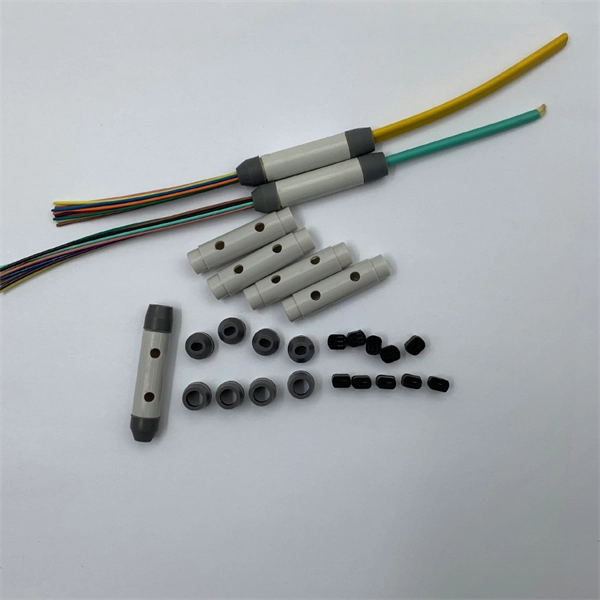
Meaning of Vertical Cable Tray for Low Voltage Cables
A Vertical Cable Tray is a specialized support system designed to carry electrical and data cables securely in a vertical or riser direction. Think of it as the “spinal cord” or the “ elevator shaft ” for your cabling infrastructure, providing a protected and structured...
[PDF Version]
-
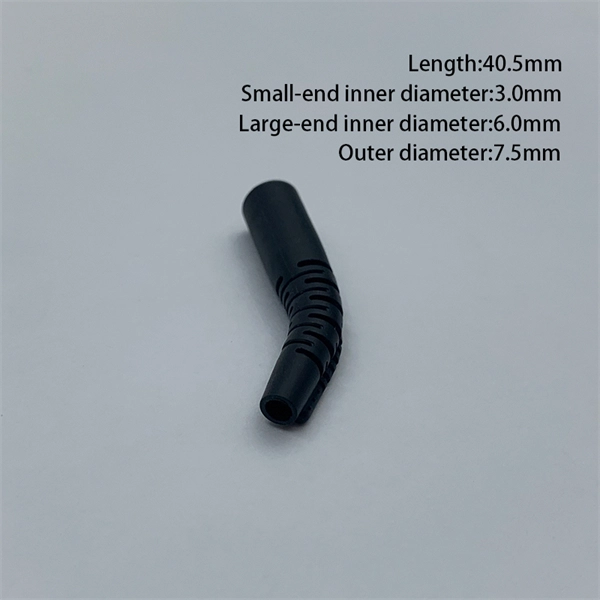
Diodes are a core component of lasers
A laser diode (or diode laser) is a semiconductor device that undergoes stimulating emission to emit coherent light. They consist of a p-n semiconductor junction, with a forward bias voltage applied. Laser diodes are electrically pumped semiconductor lasers in which the gain...
[PDF Version]