
Waveguide Optics
Search optical fiber, connectivity, cable management and network infrastructure references.
- Waveguide
- Optics
Articles and technical references
11 on this page-

Waveguide Fiber optic cable or optical fiber
Optical waveguides transport light at different optical frequencies ― often in the infrared range ― and are commonly used to route or control optical signals. They share similarities in their purpose and function, but they are used differently across various applications. for...
-
Arrayed waveguide grating dimensions
Conventional -based AWGs, as illustrated in the figure above, are lightwave circuits fabricated by depositing layers of silica on a. The AWGs consist of a number of input (1) and output (5) couplers, a free space region (2) and (4) and the grating (3). The grating waveguide.
-
Are MPO connectors not suitable for fiber optics
Unlike standard LC or SC connectors that handle one or two fibers, MPO connectors support 8 to 72 fibers in a single interface - making them essential for parallel optical transmission in modern networks. As traffic surges to 100G, 400G, and even 800G, single-fiber connectors...
-
Which is better a planar waveguide intelligent type
Silicon (Si) waveguides provide higher index contrast for compact designs but suffer higher loss (0. For visible light, polymer waveguides (0. 3–1 dB/cm) balance flexibility and performance. Choice depends on application-specific needs like loss tolerance and. One essential...
[PDF Version]
-
Silicon Photonics Technology vs Fiber Optics
Photonic chips integrate optical components on a single microchip, enabling high-speed data processing with reduced energy consumption, while optical fibers provide long-distance data transfer through flexible, low-loss glass strands. Silicon photonics and traditional fiber...
[PDF Version]
-
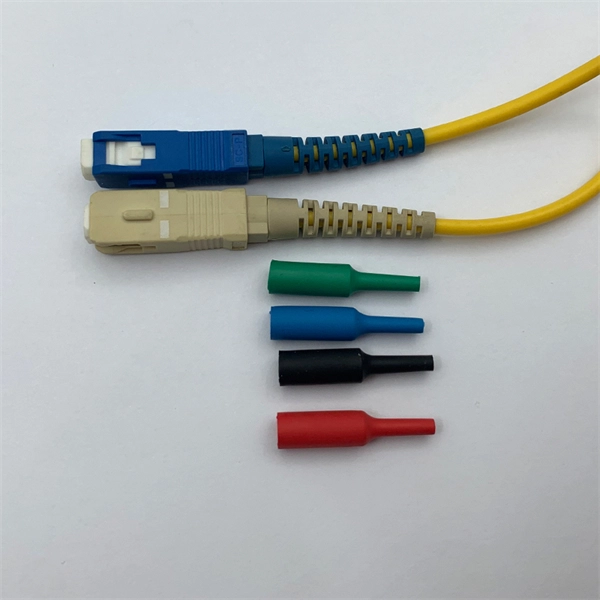
New Selection Guide for Co-packaged Optics for IoT Applications
Due to the rise of 5G, IoT, AI, and high-performance computing applications, datacenter trafic has grown at a compound annual growth rate of nearly 30%. Furthermore, nearly three-fourths of the datacent.
-
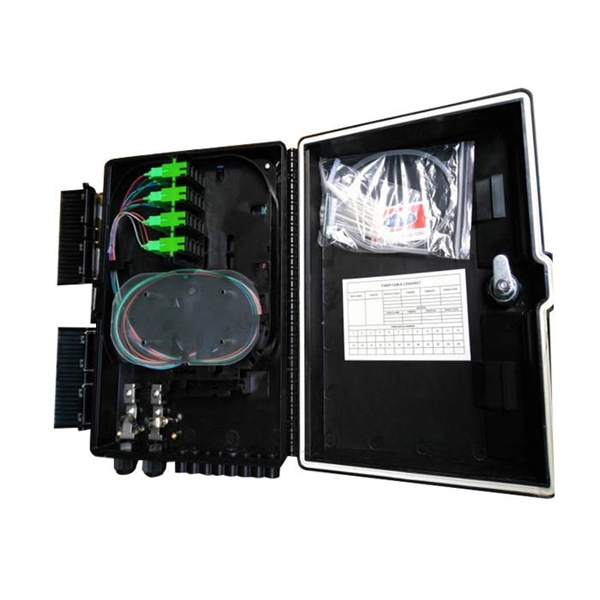
What is the light source of special array fiber optics
A fiber optic laser source is either the laser or laser-illuminated reflecting surface or source of light. Fiber lasers provide the light source that produces coherent, near monochromatic light through stimulated emission. By. Fiber arrays (or fiber-optic arrays or fiber...
[PDF Version]
-
Functions of Single-mode and Dual-mode Fiber Optics
What Are Fiber Modes? Single-Mode vs. Multi-ModeThe definitive guide to fiber modes. See how core size determines light path, bandwidth, distance limits, a.
[PDF Version]
-
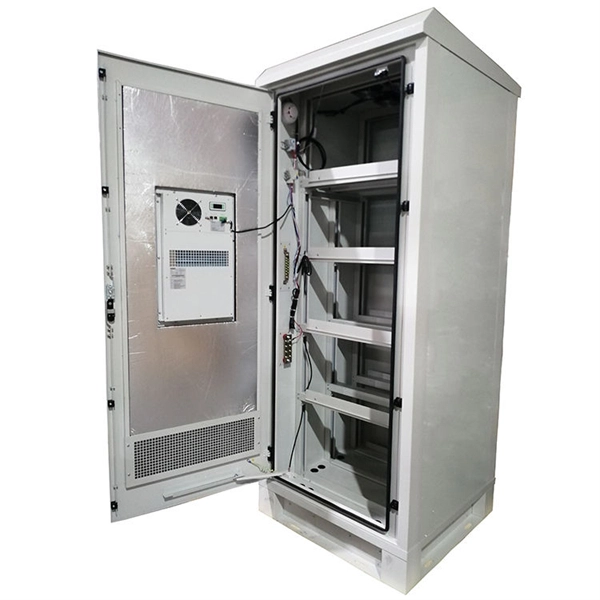
Comparison of Single-Mode and Dual-Mode Fiber Optics
Single Mode vs. Multimode Fiber: Core Differences and Selection GuideSingle Mode vs Multimode Fiber: What's the Difference? For a clearer comparison, the f.
[PDF Version]
-
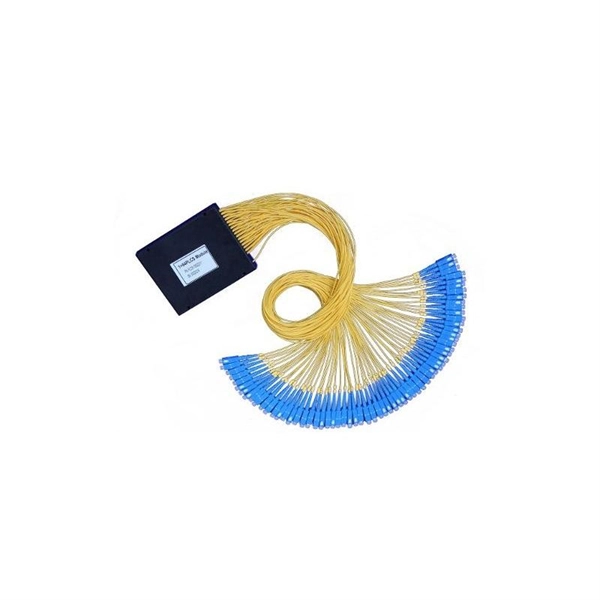
Technical Requirements for 6-Core Single-Mode Fiber Optics
6 core fiber optic cable single mode should be selected by fiber standard, core count, single mode requirement, jacket material, armor option, tensile strength, installation route, drum length, test report, and order quantity. Buyers should first define the pain point: buyers...
[PDF Version]
-
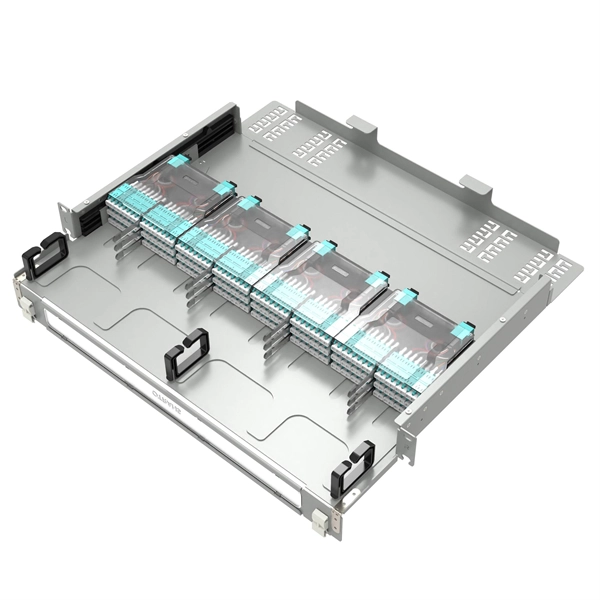
Applications of Optical Gratings in Fiber Optics
Fiber Bragg Gratings (FBGs) are classified based on their refractive index modulation profile, periodicity, and spectral response. The primary types include uniform, chirped, tilted, and phase-shifted FBGs, each serving distinct applications in sensing, telecommunications...
[PDF Version]