
What Are The Size Standards For Wall Network Cabinets
Search optical fiber, connectivity, cable management and network infrastructure references.
- Size
- Standards
- Wall
Articles and technical references
11 on this page-
What size router should I pair with fiber optic broadband
The best router for fiber internet is one that matches your plan speed, home size, and how you use your connection. Our top overall pick is the Netgear Nighthawk RS700S, a Wi-Fi 7 router built for multi-gig fiber plans that handles up to 200 devices across 3,500 square feet...
[PDF Version]
-
What size socket should the company s electrical distribution box use
Here we describe matching 15-Amp receptacles to 15-Amp circuits, 20-Amp receptacles to 20-Amp circuits, two-wire receptacles where no ground is present, GFCI and AFCI electrical receptacles, and the proper electrical box to hold and mount these devices. Industrial plugs...
-
What size conduit should be used for a home electrical distribution box
For most standard commercial and residential installations, PVC conduit trade sizes range from 1/2 inch to 6 inches. The right size depends strictly on the National Electrical Code (NEC) 40% fill capacity rule. Can a conduit be too big? Yes, it is possible for a conduit to be...
[PDF Version]
-
What size cable is needed for the distribution box
The distribution box is just one piece. Undersized wires cause: Cable Sizing Rule: For 20A circuits, use 12-gauge wire minimum. In modern electrical systems, cable distribution boxes (also known as electrical distribution boxes or distribution boxes) play a crucial role as...
[PDF Version]
-
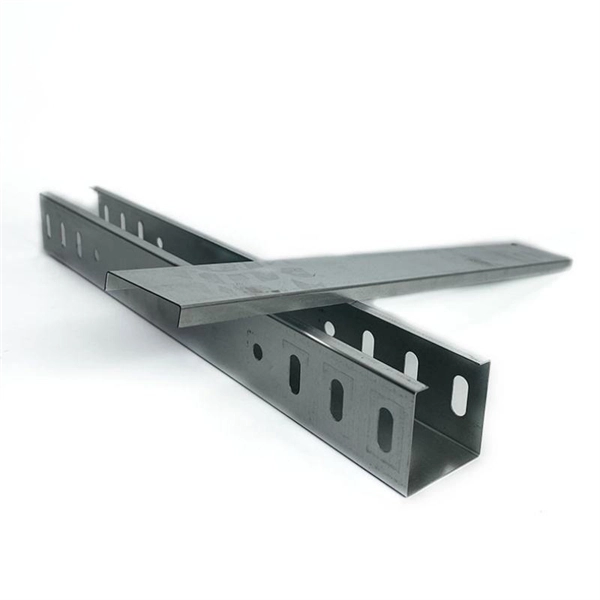
What size aluminum busbar is needed for the primary electrical distribution box on the construction site
2 A/mm² for conservative / high‑temperature designs. The Busbar Size Calculator helps engineers and electricians find the right copper or aluminum busbar dimensions based on current capacity, material type, and environmental conditions. This article explains how the...
-
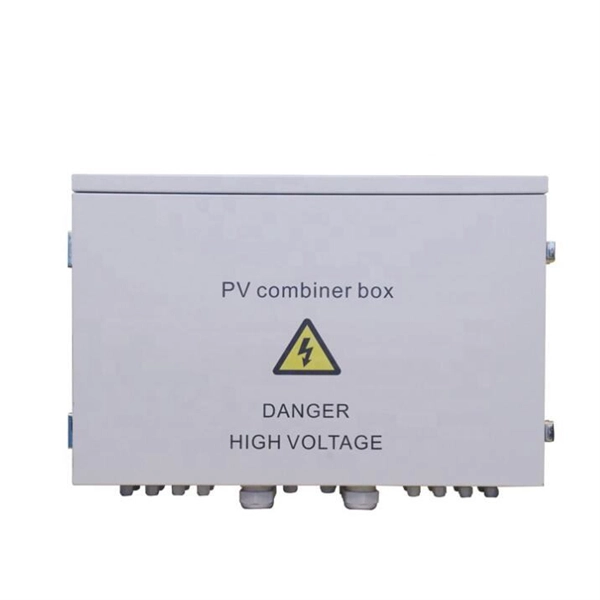
What is the significance of small size for fiber optic sensors
Their small size and non-invasiveness allow for in-vivo monitoring, providing real-time data on physiological parameters. Applications range from monitoring intraocular pressure in glaucoma patients to measuring blood flow and tissue health. Optical interferometric sensors...
[PDF Version]
-
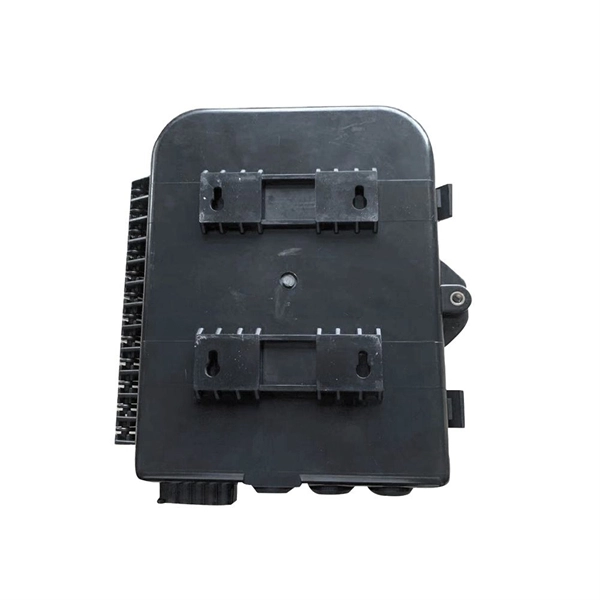
What are the testing standards for fiber optic splice boxes
Comprehensive guide to fiber optic splice closures covering structure, fiber management systems, sealing design, mid-span access, UV-resistant housing, and testing standards such as ITU-T L. Rather than focusing on a single product or brand, the article explains: how splice...
[PDF Version]
-
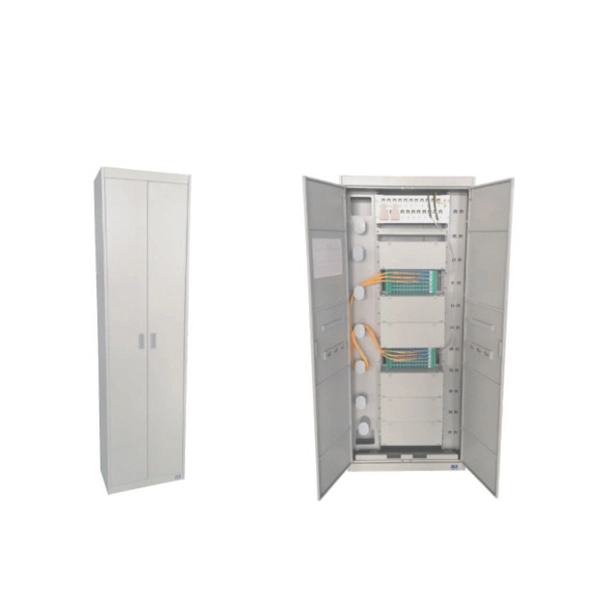
What size fiber optic router is suitable for home use
The best router for fiber internet is one that matches your plan speed, home size, and how you use your connection. Our top overall pick is the Netgear Nighthawk RS700S, a Wi-Fi 7 router built for multi-gig fiber plans that handles up to 200 devices across 3,500. A...
[PDF Version]
-
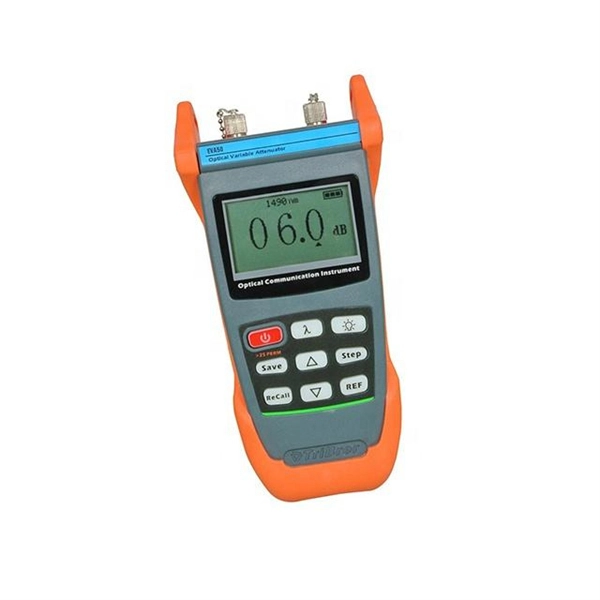
What are the standards for lithium battery energy storage cabinets
Lithium Ion Battery Cabinet: Safety Standards, Design Learn how a lithium ion battery cabinet enhances fire safety, explosion protection, ventilation, and.
[PDF Version]
-
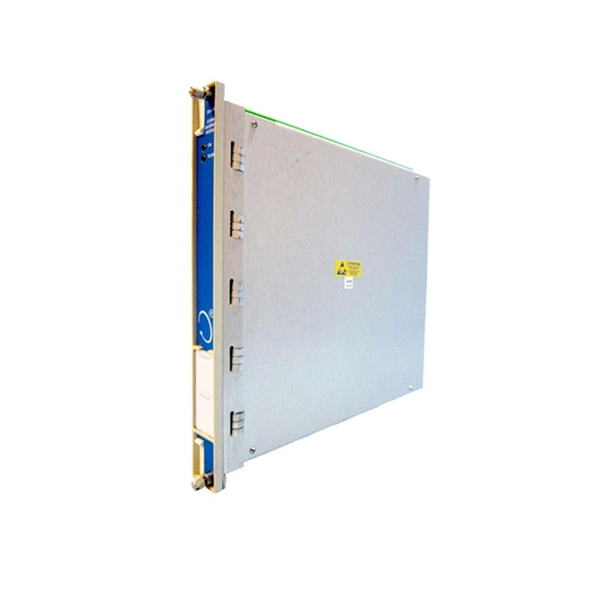
What size cable tray is suitable for a workshop
Cable Tray Dimensions Guide: Standard Sizes, Tray Types & Sizing Explore standard sizes by tray type, understand width and depth limits, and see how to cal.
[PDF Version]
-
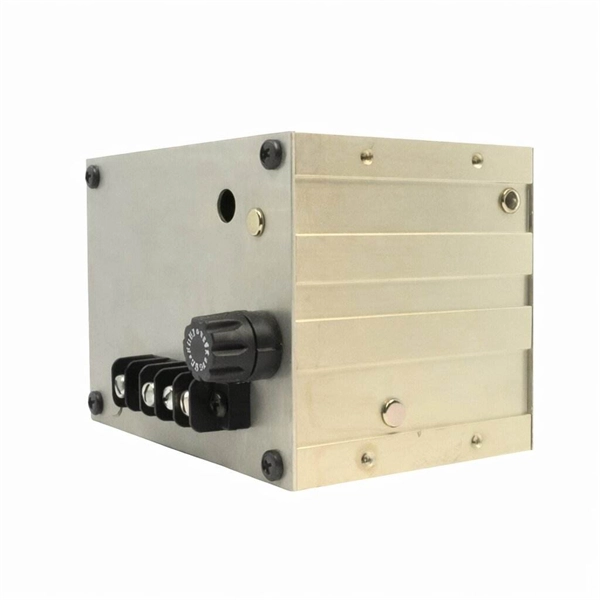
What size cable tray should be selected
Cable Tray Size Guide: How to Choose the Right Selecting the right cable tray size is critical for electrical safety, system efficiency, and cost control.
[PDF Version]