
A Guide To Passive Optical Networking Morefield
Search optical fiber, connectivity, cable management and network infrastructure references.
- Guide
- Passive
- Optical
Articles and technical references
11 on this page-
FTTR using Bangladesh Passive Optical Network LPO
In this paper, we propose a FTTR architecture based on two cascaded Passive Optical Network (PONs) to bring the FTTR connectivity within the user premise. We evaluate the benefits of FTTR in terms of end-to-end performance in the context of edge computing deployment. About...
[PDF Version]
-
Complete Guide to Copper Optical Cables
Cabling: The Complete Guide to Copper and Fiber-Optic Networking, 5th Edition is the industry-leading guide to helping you develop the skills you need to design and build reliable, cost-effective cabling infrastructure. The fourth edition of this popular guide provides you...
-
Passive Optical Device Modules
A PON module, or Passive Optical Network module, serves as a pivotal device in telecommunications networks, facilitating the transmission of data, voice, and video signals over fiber optic cables. Everything you need to build an optical network from end-to-end. Thin-film...
[PDF Version]
-
Passive Optical Network Cable
A passive optical network (PON) uses fiber-optic technology to deliver data from a single source to multiple endpoints. It's also lightning quick, which is why a PON is the go-to for high-bandwidth content like high-speed internet service, streaming video, or handling voice...
-
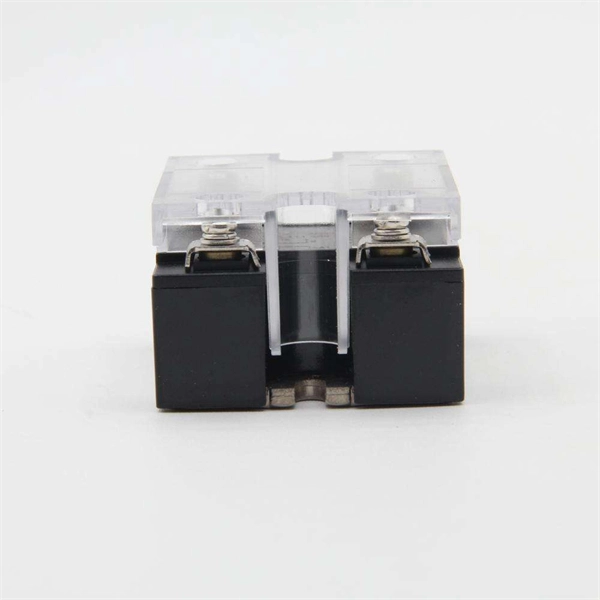
Please refer to the characteristics of Passive Optical Network PON
A passive optical network (PON) is a fiber-optic telecommunications network that uses only unpowered devices to carry signals, as opposed to electronic equipment. In practice, PONs are typically used for the last mile between Internet service providers (ISP) and their...
[PDF Version]
-
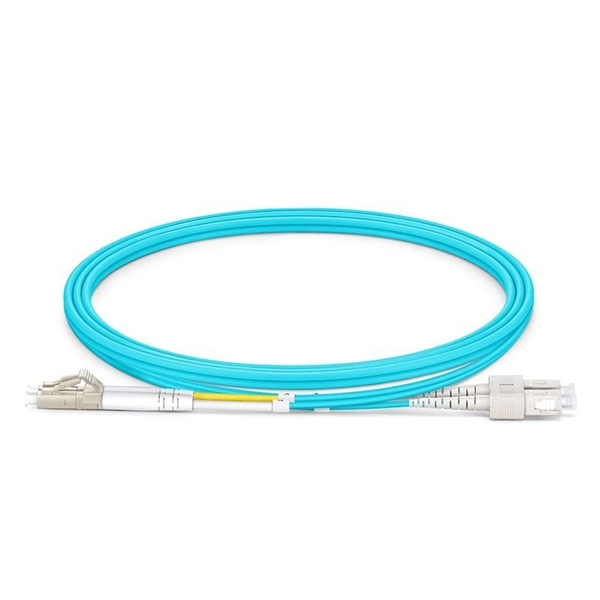
Selection Guide for 800G QSFP28 Optical Modules for Smart Buildings
Comprehensive guide to selecting and deploying NVIDIA 800G optical modules. Learn about optical link budget calculations, QSFP-DD/OSFP compatibility, deployment checklists, and best practices for successful 800G implementation in data center environments. Cisco ® QSFP-DD and...
[PDF Version]
-
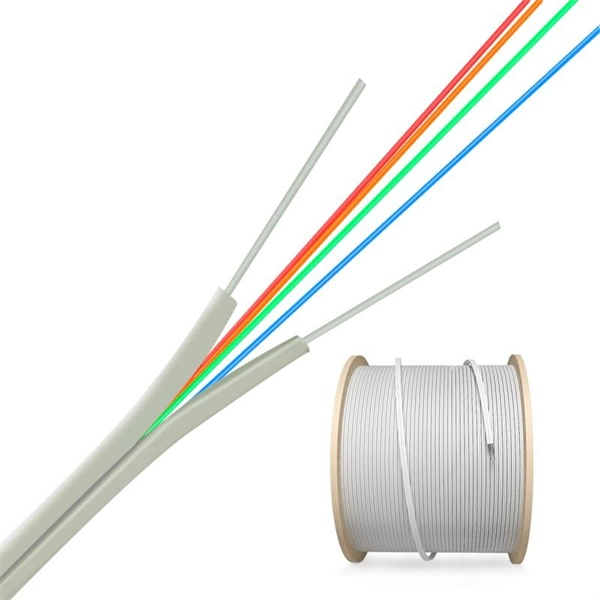
Selection Guide for Low-Loss QSFP Optical Modules for Oil Pipeline Monitoring
The definitive guide to the QSFP optical module series (40G, 100G, 400G, 800G). Learn the technical differences, evolution path, and optimal selection criteria for QSFP+, QSFP28, QSFP-DD, and OSFP transceivers. In today's high-speed networking environment, selecting the right...
[PDF Version]
-

Quick Start Guide to Optical Modules
Optical modules are electronic devices that transmit data over long distances using light waves. For Fiber Optic Transceivers, we also offer replacement servic lb von 30 Tagen nach Erhalt der Ware gewähren. Its primary function entails converting electrical signals into...
[PDF Version]
-
Are optical repeaters passive optical devices
All of the repeaters are passive, meaning there is no regeneration of the received signal in the repeater, and no additional delay to the signal produced by the repeater. Prior to installing the Fiber Optic Repeaters, fiber optic cable must be installed. Unlike active...
-
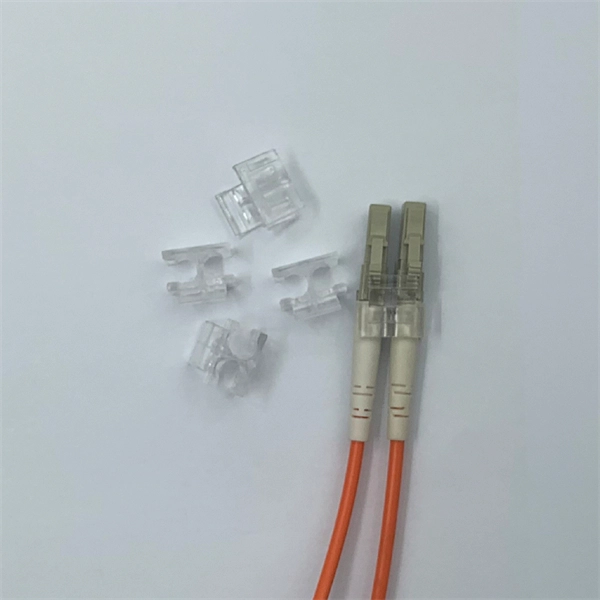
Passive optical devices in DWDM
Passive DWDM systems use passive optical devices for signal transmission, such as optical splitters, optical combiners and optical demultiplexers, which do not require external power supply. It offers an ideal solution to problems such as limited fiber resources and the...
[PDF Version]
-
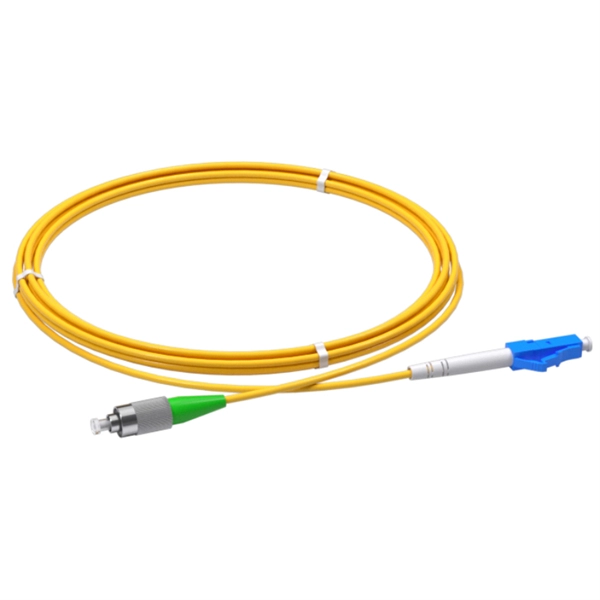
The functions of passive optical devices do not include
Passive optical components do not generate optical signals, amplify light, perform modulation, or interpret data. Their defining characteristic is functional neutrality: they influence how light propagates, but not the information content carried by that light. They operate...
[PDF Version]